What if changing a few details about your teeth could create a smile that feels more balanced without looking artificial? Porcelain veneers can address several cosmetic concerns at the same time, including uneven tooth shape, stubborn discoloration, minor chips, small gaps, and worn edges. As part of cosmetic dentistry at Advanced Restorative Solutions, veneers can be carefully designed around your facial features, existing teeth, and personal preferences.
Patients considering porcelain veneers in Sheffield, OH often want improvement without losing the character that makes their smile unique. That is an important distinction. Modern cosmetic dentistry is not about giving every patient identical bright, perfectly square teeth. Instead, thoughtful veneer treatment focuses on proportion, color, shape, symmetry, and natural-looking details that complement the individual.
Porcelain veneers may be appropriate for one tooth, several visible teeth, or as part of a more comprehensive smile makeover. However, veneers are only one cosmetic option. Before treatment, your dentist can evaluate your enamel, bite, gums, existing restorations, and overall oral health to determine whether veneers are a good fit for your goals.
What Are Porcelain Veneers?
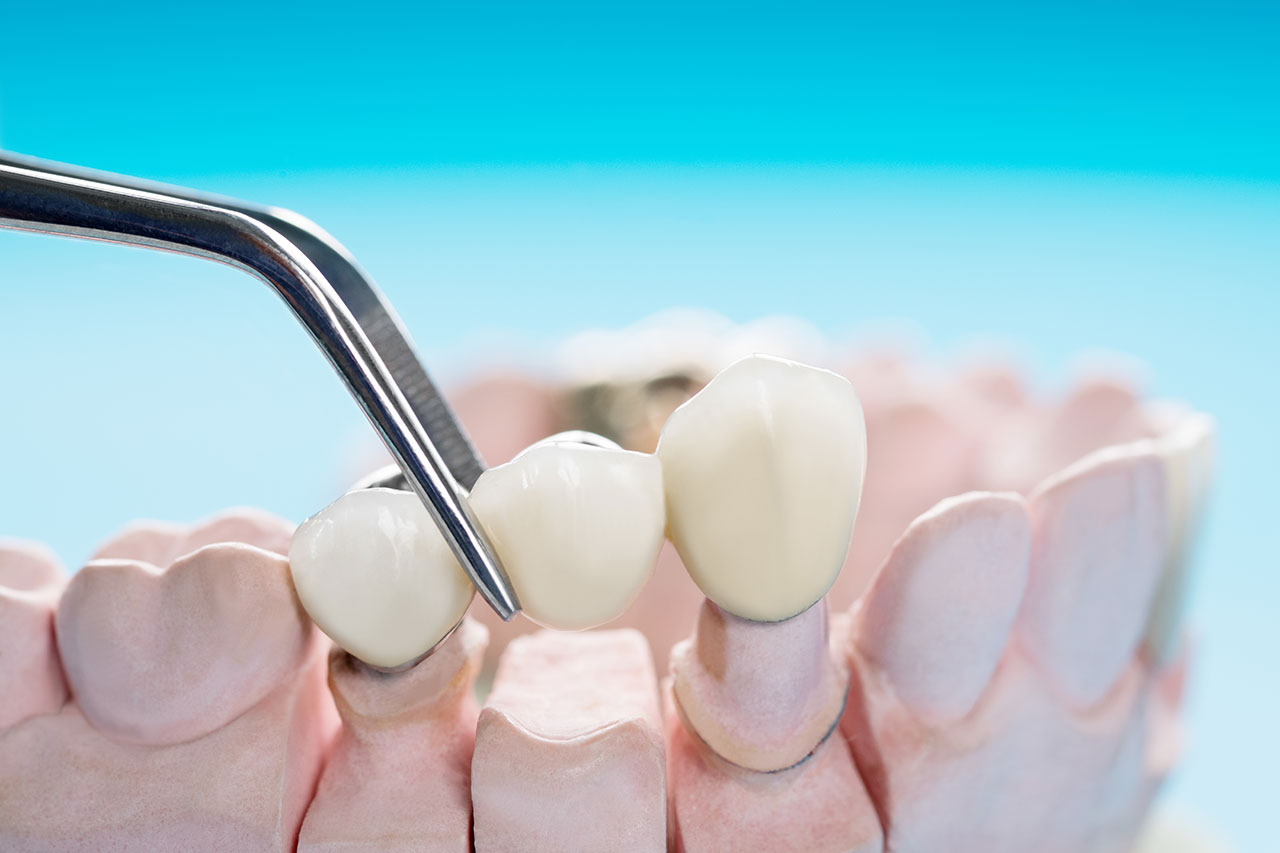
Porcelain veneers are thin, custom-made restorations that cover the front surfaces of selected teeth. They are designed to change visible characteristics such as tooth shape, color, width, length, or minor alignment irregularities.
The porcelain used for veneers can be selected and layered to resemble natural tooth enamel. Rather than using one flat shade, the goal is often to recreate the subtle variations that make natural teeth look realistic. Shape and texture matter as well. Small differences in contour can have a meaningful effect on how a veneer blends into the overall smile.
Veneers are bonded to the teeth after careful planning and preparation. Because they become a long-term part of the smile, the treatment should begin with a thorough discussion about what you would like to change and what you would prefer to keep.
What Cosmetic Concerns Can Veneers Address?
One reason porcelain veneers are popular is their versatility. A single treatment can potentially improve several visible concerns instead of addressing each one with a separate procedure.
Veneers may be considered for teeth with:
- Discoloration that does not respond well to whitening
- Minor chips or worn edges
- Small spaces between teeth
- Uneven tooth lengths
- Teeth that appear undersized or irregularly shaped
- Minor visual alignment concerns
- Old cosmetic bonding that no longer provides the desired appearance
- Multiple cosmetic concerns affecting the same teeth
However, veneers are not designed to solve every dental problem. A tooth with extensive structural damage may need a crown. Significant tooth movement may be better treated with clear aligners. Active gum disease or decay should be addressed before cosmetic treatment begins.
This is why an individualized evaluation matters. The most conservative treatment that can predictably achieve the desired result is often worth considering first.
Benefits of Porcelain Veneers
Porcelain veneers can offer both cosmetic flexibility and long-term smile enhancement when they are carefully planned. Patients often appreciate that several visual concerns can be addressed through one coordinated treatment.
- Can improve tooth shape, size, color, and proportion
- May conceal discoloration that does not respond to whitening
- Can repair the appearance of small chips and worn edges
- May visually close minor gaps between teeth
- Can create greater symmetry across the visible smile
- Porcelain can closely imitate the appearance of natural enamel
- The final shade can be selected to complement surrounding teeth
- Veneers can be incorporated into a broader smile makeover
- They may provide a more durable cosmetic option than bonding in selected cases
- Treatment can be customized rather than following a single smile template
Another advantage is control over the final design. Tooth length, edge shape, surface texture, and brightness can all be considered before the veneers are completed. Some patients want a very subtle refinement, while others want a more noticeable transformation.
Porcelain Veneers vs. Teeth Whitening
Professional teeth whitening is an excellent option when the primary concern is staining of otherwise healthy natural teeth. Whitening changes the shade of natural enamel, but it does not change tooth shape, repair chips, or close spaces.
Porcelain veneers can change color and shape at the same time. Therefore, veneers may be considered when whitening alone cannot achieve the desired result. For example, certain deeper discolorations may respond unpredictably to whitening, while a veneer can cover the visible surface of the tooth.
However, whitening is more conservative because it does not involve placing a restoration over the tooth. If color is the only concern, your dentist may recommend exploring whitening before considering veneers.
Porcelain Veneers vs. Dental Bonding
Dental bonding uses tooth-colored resin to reshape or repair teeth. It can be an effective treatment for small chips, gaps, and contour changes. In many cases, bonding requires less alteration of the natural tooth than a porcelain veneer.
Porcelain veneers may provide advantages when several teeth require coordinated changes or when the desired result involves significant changes in color, form, and symmetry. Porcelain also has different optical and surface characteristics than composite resin.
Neither treatment is automatically better. Bonding may be ideal for a small correction, while veneers may make more sense for a broader cosmetic plan. The dentist can compare durability, appearance, maintenance, cost, and the amount of tooth preparation involved.
What Happens During a Veneer Consultation?
A veneer consultation begins with your goals. You may know exactly what you want to change, or you may simply feel that your smile could look more balanced. Both starting points are completely reasonable.
Your dentist can examine the teeth and gums, evaluate your bite, review existing dental work, and discuss whether veneers can predictably achieve your desired result. Digital photographs, scans, or smile design technology may be used to assist with planning.
The health of the teeth is especially important. Cavities, cracks, gum inflammation, or failing restorations should be addressed before cosmetic veneer treatment. In addition, patients who grind or clench their teeth may need a plan for protecting the final restorations.
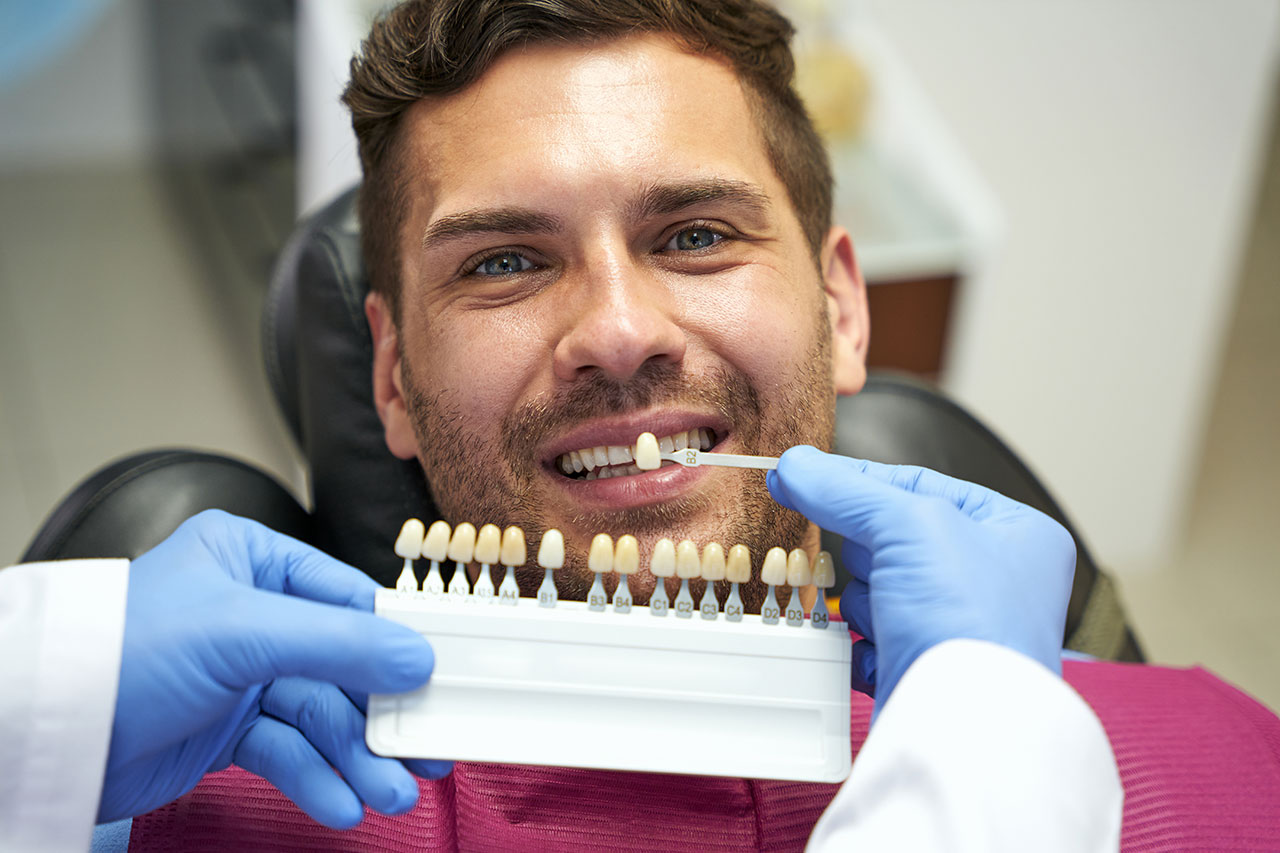
This consultation is also the time to discuss your preferred level of brightness. Natural teeth are not normally pure white, and an extremely bright shade is not necessary for an attractive result. A shade that complements your skin tone and neighboring teeth may create a more harmonious smile.
How Are Porcelain Veneers Designed?
Good veneer design considers more than individual teeth. The dentist looks at the relationship between the teeth, lips, gums, and facial proportions. Tooth width and length should make sense together. The edges of the front teeth should also follow a pattern that complements the smile.
Digital smile design may help patients visualize potential changes before treatment is complete. In some cases, a preview or provisional version of the planned smile can help refine preferences.
Your input matters throughout this process. If you prefer softer tooth edges, a more youthful shape, subtle color variation, or a less uniform appearance, those preferences should be communicated before the final restorations are made.
Does Getting Veneers Require Removing Enamel?
Many porcelain veneer treatments require some preparation of the tooth surface so the restoration can fit naturally without looking bulky. The amount varies depending on the tooth position, veneer design, existing enamel, and desired change.
Some cases may require minimal preparation, while others require more. Once natural enamel has been removed, the treatment is generally considered irreversible because the tooth will continue to need a restoration.
For that reason, porcelain veneers should be considered thoughtfully. Patients should understand both the cosmetic advantages and the long-term responsibility of maintaining restorations before moving ahead.
What Is the Veneer Treatment Process Like?
After planning is complete, the teeth are prepared as needed. A digital scan or impression captures the shape and position of the prepared teeth. This information is used to create the custom veneers.
Temporary restorations may be placed while the final porcelain veneers are being made. Temporaries can help protect the teeth and give you an early sense of the planned shape. However, they are not identical to the final porcelain restorations.
When the final veneers are ready, the dentist evaluates their appearance and fit. Shade, shape, contact points, and bite can be reviewed before bonding. Once the veneers are secured, small adjustments may be made for comfort and bite balance.
How Long Can Porcelain Veneers Last?
There is no single lifespan that applies to every veneer. Longevity depends on several factors, including bite forces, grinding habits, oral hygiene, the condition of the underlying teeth, diet, and how the restorations are used.
Veneers are designed for normal eating and speaking, but they should not be used as tools. Biting fingernails, opening packaging with the teeth, or chewing ice can place unnecessary stress on porcelain.
Routine dental examinations are also important. Your dentist can monitor the margins of the veneers, surrounding gums, bite, and overall condition of the restorations.
How to Care for Porcelain Veneers
Veneers do not require an elaborate maintenance routine. Brush twice daily using a soft toothbrush, clean between the teeth every day, and attend regular dental visits. Your dentist may recommend certain toothpaste or cleaning tools depending on your restorations.
Although porcelain cannot develop a cavity, the natural tooth underneath and around the veneer remains vulnerable to decay. Good cleaning around the gumline is especially important.
If you grind or clench while sleeping, a custom night guard may be recommended. Protecting veneers from repeated heavy forces can help reduce the risk of chipping or damage.
Can Veneers Be Combined with Other Cosmetic Treatments?
Yes. Porcelain veneers are often one part of a coordinated cosmetic plan. Some patients whiten their natural teeth before choosing the final veneer shade. Others use clear aligners to improve tooth position before veneers are placed.
Patients with missing or damaged teeth may also need restorative dentistry before completing cosmetic treatment. Combining procedures in the correct sequence can create a more predictable and balanced result.
A comprehensive approach can also prevent unnecessary treatment. For example, aligning a rotated tooth first may allow the final veneer to be thinner and more conservative.
Frequently Asked Questions About Porcelain Veneers
Do porcelain veneers stain?
Porcelain is generally resistant to the types of surface staining that affect natural enamel. However, the surrounding natural teeth can still change color over time, and good oral hygiene remains important.
Can one tooth receive a veneer?
Yes. A single veneer may be used in selected cases. Matching one restored front tooth to several natural teeth can require careful shade and shape planning.
Are veneers the same as crowns?
No. A veneer primarily covers the visible front surface of a tooth, while a crown generally covers the tooth more completely. Crowns are often used when more structural protection is needed.
Can I whiten porcelain veneers later?
Whitening products do not change the shade of porcelain restorations. If whitening is part of your plan, it may be recommended before the final veneer shade is selected.
Design a Smile That Still Feels Like You
Porcelain veneers can create meaningful improvements in shape, color, proportion, and symmetry without requiring every feature of your natural smile to disappear. The most satisfying cosmetic results are often the ones that look balanced, personalized, and appropriate for the person wearing them.
Contact Advanced Restorative Solutions in Sheffield, OH at 440-934-5966 to Schedule a Consultation and explore whether porcelain veneers could be part of your personalized smile plan.