Are you managing obstructive sleep apnea but struggling to sleep comfortably with a CPAP mask? For some appropriately diagnosed patients, oral appliance therapy may provide another way to help keep the airway open during sleep. Instead of using a mask, hose, and bedside machine, this approach uses a custom dental appliance worn inside the mouth.
Advanced Restorative Solutions offers oral appliance therapy for sleep apnea in Sheffield, OH for patients who have received an appropriate sleep apnea diagnosis and may benefit from a dental sleep appliance. The device is designed specifically for the patient’s mouth and works by positioning the lower jaw in a way that can help reduce airway obstruction during sleep.
Sleep apnea is a medical condition, so diagnosis and treatment decisions require appropriate medical oversight. A dentist who provides oral appliance therapy works as part of that process by evaluating the teeth, jaw, bite, and oral structures, then fabricating and adjusting the appliance when it is clinically appropriate.
What Is Obstructive Sleep Apnea?
Obstructive sleep apnea occurs when the airway repeatedly becomes narrowed or blocked during sleep. These interruptions can cause breathing to decrease or temporarily stop, prompting the body to repeatedly move out of deeper stages of sleep.
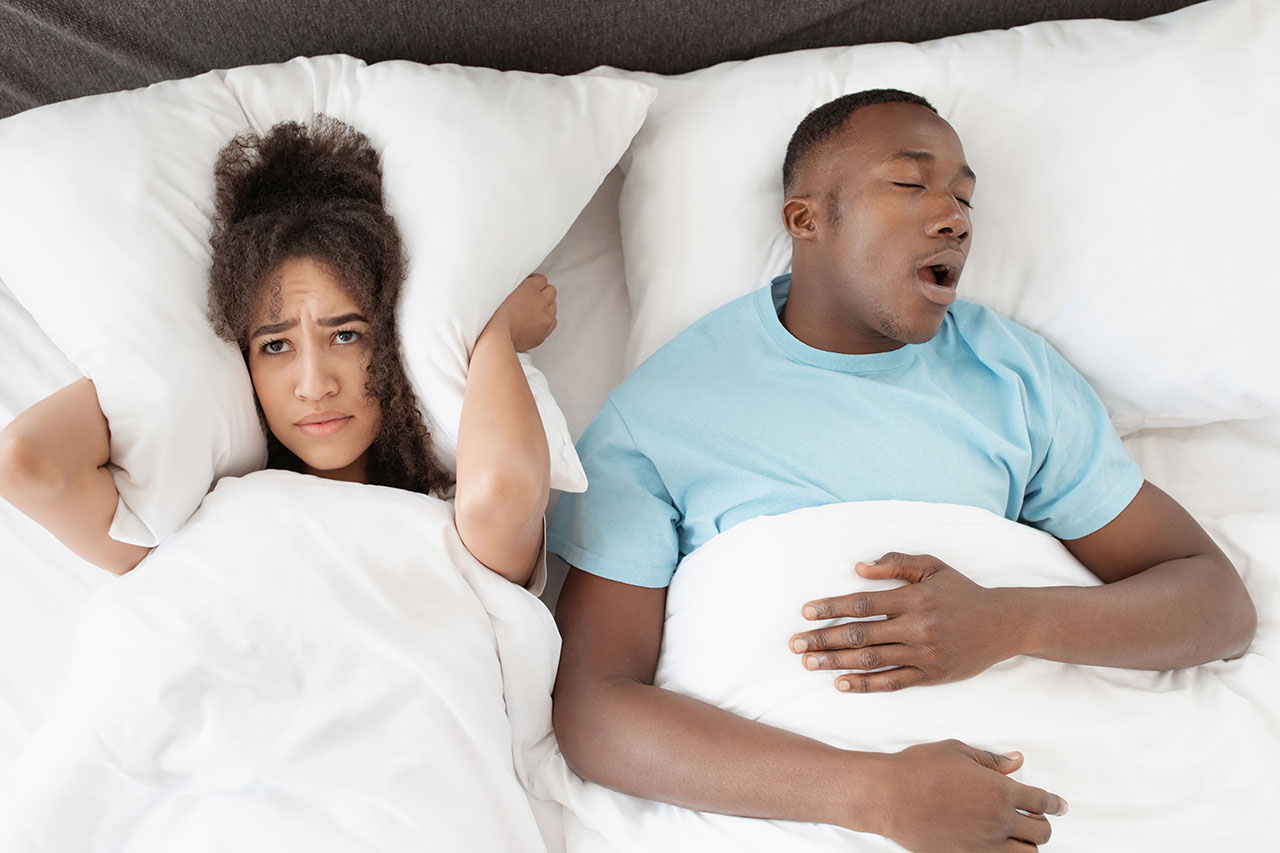
Some people know they have sleep apnea because a partner notices loud snoring, gasping, choking sounds, or pauses in breathing. Others may not realize anything is happening during the night. Instead, they notice daytime symptoms such as morning headaches, fatigue, difficulty concentrating, irritability, or feeling unrefreshed after what seemed like a full night in bed.
Snoring does not automatically mean someone has sleep apnea. Likewise, a person can have sleep apnea without recognizing obvious nighttime symptoms. A formal evaluation is important because treatment should be based on an actual diagnosis rather than symptoms alone.
How Does Oral Appliance Therapy Work?
Oral appliance therapy uses a custom-fitted device that is worn while sleeping. Many appliances work by gently holding the lower jaw in a slightly forward position. This change can help create more space in the airway and reduce the likelihood that soft tissues will collapse into it.
The appliance may look somewhat like an orthodontic retainer or mouth guard, but its purpose and design are different. It must be customized for both comfort and therapeutic positioning. An over-the-counter night guard is not a substitute for a professionally prescribed sleep apnea appliance.
The dentist uses digital scans or impressions to capture the shape of the teeth. Once the appliance is made, its fit and jaw position can be adjusted. Follow-up visits are important because the ideal setting may need to be refined over time.
Who May Be a Candidate for Oral Appliance Therapy?
Oral appliance therapy may be considered for certain patients with obstructive sleep apnea, particularly when a physician or sleep specialist has diagnosed the condition and determined that a dental appliance is appropriate.
It may also be considered when a patient has difficulty tolerating CPAP therapy. Some people struggle with mask discomfort, dryness, air leaks, noise, pressure sensations, or difficulty traveling with the equipment.
However, oral appliance therapy is not automatically appropriate for every case of sleep apnea. Severity, health history, jaw structure, dental condition, and other factors all matter. CPAP remains an important therapy, especially in situations where greater airway support is required.
A collaborative approach between medical and dental providers helps ensure that the chosen treatment matches the patient’s diagnosis.
Benefits of Oral Appliance Therapy for Sleep Apnea
For suitable patients, oral appliance therapy can provide a convenient treatment approach that fits easily into a nightly routine. Its compact design is one reason many patients are interested in exploring it as a CPAP alternative.
- Uses a small custom-fitted appliance rather than a facial mask
- Does not require a bedside motor, hose, or electrical connection
- Can be easier to pack for travel
- Operates silently during sleep
- Allows patients to change sleeping positions more freely
- Can be customized to the patient’s teeth and bite
- May help reduce snoring associated with airway obstruction in appropriate patients
- Can provide an option for some patients who have difficulty tolerating CPAP
- Follow-up adjustments allow jaw positioning to be refined
- The device can be stored in a small protective case
The most important benefit is not convenience alone. Sleep apnea treatment is intended to improve nighttime breathing. Therefore, comfort and portability matter because a treatment can only help when it is used consistently and monitored appropriately.
Oral Appliance Therapy vs. CPAP
CPAP and oral appliance therapy approach airway obstruction differently. CPAP delivers pressurized air through a mask to help keep the airway open. An oral appliance changes the position of the lower jaw and related tissues mechanically.
CPAP is an important and highly effective sleep apnea treatment. However, some patients find it difficult to use consistently. When that happens, they may ask whether an oral appliance is an appropriate alternative.
The answer depends on the individual. Sleep apnea severity is particularly important. Other factors include weight, airway anatomy, nasal breathing, dental health, jaw function, and previous treatment experience.
Patients should not stop using prescribed CPAP therapy simply because they want to try a dental appliance. Instead, they should discuss the change with the healthcare professionals managing their sleep apnea.
Why a Custom Appliance Matters
Sleep apnea appliances should not be confused with generic devices sold online. A custom oral appliance is created from detailed records of the patient’s teeth and bite. It is intended to hold the jaw in a controlled position while remaining comfortable enough for regular use.
A poorly fitting device may be uncomfortable or may place inappropriate pressure on the teeth and jaw. In addition, the amount of jaw advancement needs to be considered carefully. Moving the jaw too little may not provide the desired airway effect, while excessive advancement may lead to discomfort.
Professional monitoring allows the appliance to be adjusted gradually. The dentist can also evaluate the teeth, gums, jaw joints, and bite during follow-up visits.
What Happens During an Oral Appliance Consultation?
The process generally begins with a review of your sleep history, medical diagnosis, symptoms, and previous treatment experience. If you have already completed a sleep study, bring the relevant information to your consultation.
The dentist can then examine your teeth, gums, jaw joints, bite, and range of jaw movement. Healthy teeth or stable restorations are important because the appliance typically uses the teeth for support.
If you have not completed appropriate medical sleep testing, that step may need to occur before an appliance can be prescribed. Sleep apnea should be diagnosed through an appropriate medical pathway rather than by symptoms or dental examination alone.
Digital Scanning and Appliance Fabrication
Once oral appliance therapy is considered appropriate, digital scans or impressions can be taken. These records capture the shape and position of the teeth so the laboratory can create a device designed specifically for your mouth.
When the appliance is ready, the dentist checks the fit and reviews how to place, remove, and clean it. The initial jaw position is also evaluated. Most appliances can be adjusted gradually, allowing treatment to be fine-tuned based on comfort and clinical goals.
Do not advance or modify the appliance beyond the instructions provided. More forward movement is not always better, and excessive adjustment can create unnecessary jaw or tooth discomfort.
Getting Used to Sleeping with an Oral Appliance
Any device worn in the mouth can require an adjustment period. Some patients notice temporary changes in saliva, mild tooth pressure, or jaw muscle awareness during the first days of use.
These effects often become easier as the mouth adapts, but persistent or significant discomfort should be reported. The appliance may need an adjustment rather than requiring you to simply tolerate the problem.
A consistent bedtime routine can also make adaptation easier. Keep the appliance clean, store it safely during the day, and place it where you will remember to use it every night.
Why Follow-Up Care Is Important
Receiving the appliance is not the end of treatment. Follow-up care allows the dentist to evaluate comfort, fit, jaw function, and any changes in the way the teeth meet.
Your medical provider may also recommend follow-up sleep testing to assess how well the treatment is controlling your breathing disorder. Feeling better can be encouraging, but symptoms alone do not always show the full picture.
Dental follow-up remains important over the long term because oral appliances can wear, become loose, or require adjustment as teeth and restorations change.
Can an Oral Appliance Help with Snoring?
Because snoring often occurs when tissues vibrate in a narrowed airway, an appliance that improves airway positioning may reduce snoring in some patients. However, snoring should not automatically be treated as a simple nuisance.
Loud or persistent snoring can sometimes be associated with obstructive sleep apnea. If snoring occurs with gasping, witnessed breathing pauses, significant daytime sleepiness, morning headaches, or other concerning symptoms, medical evaluation is important.
The goal should be to understand why the snoring is happening rather than simply making the sound quieter.
Oral Health Considerations Before Treatment
The condition of the teeth and gums matters because the appliance places gentle forces on the mouth during sleep. Active gum disease, loose teeth, untreated decay, or unstable dental restorations may need attention first.
Patients with significant jaw joint symptoms should also discuss them during the consultation. Oral appliance therapy changes jaw position, so existing discomfort needs to be considered in treatment planning.
Advanced Restorative Solutions can coordinate the dental side of care while helping patients understand whether other dental treatment should be completed before appliance therapy begins.
Frequently Asked Questions About Oral Appliance Therapy
Do I need a sleep study before receiving an oral appliance?
A formal diagnosis of obstructive sleep apnea is generally needed before a sleep apnea appliance is prescribed. If you have not been evaluated, the dental team can discuss the appropriate pathway for obtaining medical sleep testing.
Is an oral appliance the same as a night guard?
No. A night guard is primarily designed to protect teeth from grinding or clenching. A sleep apnea appliance is specifically designed to reposition the jaw to help manage airway obstruction.
Can I travel with an oral appliance?
Yes. Oral appliances are compact and do not require electricity, which can make them convenient for travel. They should be transported in a protective case.
Do I still need dental checkups after getting the appliance?
Yes. Routine follow-up allows the dentist to monitor appliance fit, tooth position, jaw comfort, dental health, and changes in the bite.
Explore a More Comfortable Approach to Sleep Apnea Care
If CPAP has been difficult to tolerate, you may have another option depending on your diagnosis and individual needs. Custom oral appliance therapy can provide an alternative approach for selected patients while fitting into a compact and manageable nightly routine.
Contact Advanced Restorative Solutions in Sheffield, OH at 440-934-5966 to Schedule a Consultation and learn whether oral appliance therapy may be an appropriate part of your sleep apnea treatment plan.