
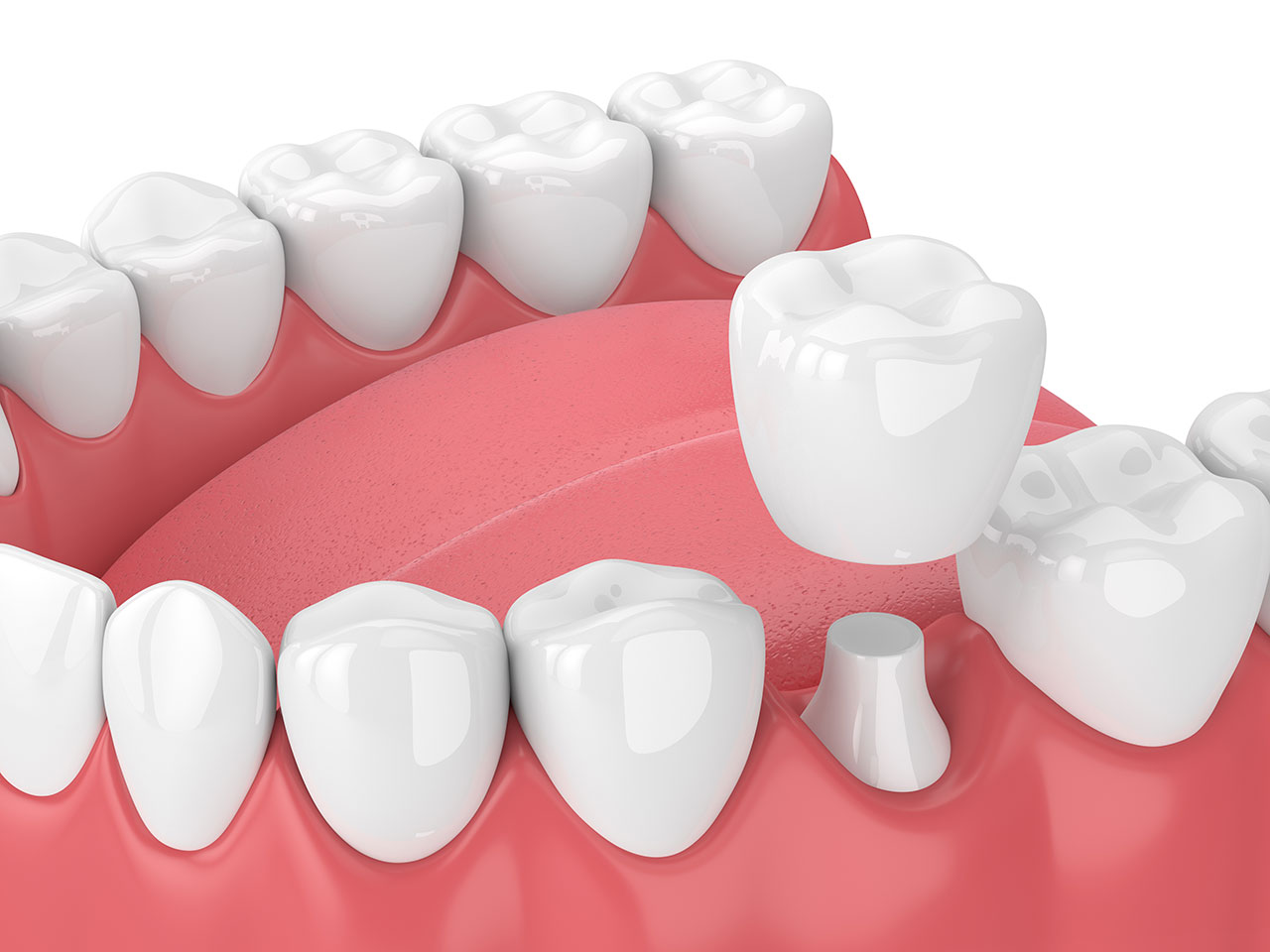
A damaged tooth does not always need to be removed. In many cases, it can be protected with a custom restoration that covers the weakened structure and helps it function again. Restorative dentistry at Advanced Restorative Solutions includes dental crowns for teeth affected by decay, fractures, large fillings, wear, or other forms of damage.
Dental crowns in Sheffield, OH are designed to restore strength, shape, and appearance while helping patients chew more comfortably. Because every tooth and bite is different, a crown should be carefully planned to fit the tooth, contact neighboring teeth properly, and blend with the surrounding smile.
Patients sometimes think of a crown as a cosmetic cap placed over a tooth. While appearance is important, the primary purpose is often protection. A crown surrounds the visible portion of a weakened tooth, helping distribute biting pressure and reducing direct stress on vulnerable areas.
What Is a Dental Crown?
A dental crown is a custom restoration that covers the portion of a tooth above the gumline. It recreates the tooth’s general size, shape, and chewing surface. Crowns can be made from several materials, including tooth-colored ceramics and other durable dental materials.
The recommended material depends on the tooth’s location, the force it receives, cosmetic goals, space in the bite, and other clinical factors. A front tooth may require special attention to shade and translucency. Meanwhile, a back tooth may require additional strength because it handles heavier chewing pressure.
A well-designed crown should feel comfortable when biting and should not appear bulky or out of place. It should also have smooth contours that allow the gums and neighboring teeth to be cleaned effectively.
Why Might a Tooth Need a Crown?
Teeth can become weakened for many reasons. A large cavity may leave too little natural structure to support a filling. A fracture may extend across part of the tooth. Years of grinding can wear down enamel and change the bite. In other cases, an older restoration may need to be replaced because the surrounding tooth has changed.
A dental crown may be recommended for:
- A tooth with a large area of decay
- A cracked, fractured, or broken tooth
- A tooth weakened by a very large filling
- A tooth that has received root canal treatment
- A severely worn or misshapen tooth
- A tooth supporting a dental bridge
- A dental implant that needs a final restoration
- A tooth requiring both structural and cosmetic improvement
The recommendation is based on how much healthy tooth structure remains and how the tooth is expected to function. A small area of damage may be treated with a filling or another conservative option. However, when the tooth needs broader protection, a crown may provide better support.
Benefits of Dental Crowns
Dental crowns can address structural and cosmetic concerns at the same time. Their primary advantages come from covering and reinforcing a tooth that may no longer be strong enough to function predictably on its own.
- Protects weakened or damaged tooth structure
- Restores a functional chewing surface
- Helps distribute biting pressure across the tooth
- Repairs the appearance of a broken or worn tooth
- Can improve tooth shape, size, and color
- Supports teeth after certain root canal treatments
- Can serve as the visible restoration on a dental implant
- May anchor a traditional dental bridge
- Is customized to fit the patient’s bite and smile
- Can help preserve a natural tooth that might otherwise worsen
Dental crowns are not permanent in the sense that they will never require maintenance or replacement. However, careful planning, good oral hygiene, and routine dental care can help them serve reliably for many years.
What Happens During the Dental Crown Process?
The crown process begins with an examination and diagnostic imaging when needed. The dentist evaluates the tooth, surrounding bone, gums, bite, and existing restorations. If the tooth has decay or damaged material, these areas must be addressed before the crown is placed.
The tooth is then shaped to create room for the restoration. The amount of preparation depends on the condition of the tooth and the crown material. A digital scan or impression records the prepared tooth, neighboring teeth, and bite.
A temporary crown may be placed while the final restoration is being created. The temporary protects the tooth and helps maintain spacing. Because temporary cement is designed for removal, patients should follow care instructions and avoid unusually sticky foods in that area.
At the final visit, the dentist evaluates the crown’s fit, contact points, bite, shade, and appearance. Once the result is satisfactory, the crown is secured to the tooth. Minor bite adjustments may be made to ensure the restoration feels balanced.
Will Getting a Dental Crown Hurt?
Local anesthetic is generally used while the tooth is being prepared, which helps reduce discomfort during the procedure. Patients may notice pressure, vibration, or sounds, but they should not feel sharp pain. Communication is important, so let the dental team know if you need a break or feel uncomfortable.
After treatment, the gum around the tooth may feel mildly tender. The tooth may also be temporarily sensitive to temperature or pressure. These symptoms often improve as the area settles.
Contact the dental office if discomfort is severe, increases, or continues longer than expected. A crown that feels high when biting may need a simple adjustment. Prompt attention can prevent unnecessary stress on the tooth and surrounding structures.
Dental Crowns After Root Canal Treatment
A tooth that has received root canal treatment may require a crown, especially if it is a back tooth that handles significant chewing force. Root canal treatment addresses the tissue inside the tooth, while a crown helps protect the remaining outer structure.
Not every root canal-treated tooth requires the same restoration. The dentist considers the tooth’s location, the amount of remaining structure, and the bite. In some cases, another type of restoration may be appropriate. In others, a crown provides the broader coverage needed to reduce fracture risk.
Dental Crowns for Worn or Cracked Teeth
Cracks and wear can develop from grinding, clenching, chewing hard objects, trauma, or large older fillings. Some cracks are minor, while others can threaten the stability of the tooth. Symptoms may include pain when biting, sensitivity to temperature, or discomfort that comes and goes.
A crown may help hold portions of a cracked tooth together and reduce direct biting stress. However, the success of treatment depends on the depth and location of the crack. A thorough evaluation is necessary because some fractures extend too far for a crown to predictably repair.
Patients who grind or clench may also need a custom nightguard after crown treatment. The guard can reduce direct stress on natural teeth and restorations while sleeping.
How Natural Can a Dental Crown Look?
Modern tooth-colored crowns can be designed to blend closely with the surrounding teeth. Shade is only one part of a natural appearance. The dentist and laboratory also consider surface texture, translucency, shape, size, and the way light reflects from nearby teeth.
For a front tooth, small differences can be noticeable. Advanced planning and accurate shade communication are especially important. For back teeth, the goal is still a natural appearance, but strength and bite function may carry greater weight in material selection.
Computerized shade matching and digital impressions may support the planning process. However, technology works best when combined with careful clinical judgment and attention to the patient’s preferences.
How to Care for a Dental Crown
A crowned tooth still needs daily brushing and cleaning between the teeth. The crown cannot develop a cavity, but the natural tooth beneath it can be affected near the crown’s edge. Plaque may also irritate the surrounding gums.
Brush gently along the gumline and floss around the crown each day. Slide the floss carefully through the contact point rather than snapping it against the gums. If the crown is part of a bridge, special floss or another cleaning tool may be required beneath the replacement tooth.
Avoid using crowned teeth to open packages or bite hard objects. Ice, hard candy, pens, and fingernails can place unnecessary force on both restorations and natural teeth. If you grind your teeth, wear a prescribed nightguard consistently.
How Long Do Dental Crowns Last?
The lifespan of a crown varies. Material, bite force, home care, diet, grinding, gum health, and the condition of the underlying tooth can all influence longevity. A crown may last for many years, but it should still be evaluated during routine dental visits.
Signs that a crown needs attention may include movement, a rough edge, sensitivity, pain when biting, food trapping, gum irritation, or visible damage. Sometimes a concern develops beneath the restoration without obvious symptoms, which is another reason regular exams are important.
Dental Crowns as Part of a Larger Treatment Plan
A crown may be a stand-alone treatment or one part of comprehensive restorative care. Patients with several worn, missing, or damaged teeth may need crowns combined with fillings, bridges, dental implants, or bite treatment.
Advanced Restorative Solutions provides dental implants, dentures, dental bridges, cosmetic dentistry, and other restorative services. Coordinating these treatments can help create a result that feels balanced rather than treating each tooth without considering the rest of the mouth.
Restore and Protect a Damaged Tooth
A damaged tooth can affect comfort, chewing, and confidence, but removal is not always the only option. A carefully designed dental crown may reinforce the tooth, restore its shape, and help it function comfortably again.
Contact Advanced Restorative Solutions in Sheffield, OH at 440-934-5966 to Schedule a Consultation and learn whether a dental crown is appropriate for your tooth.