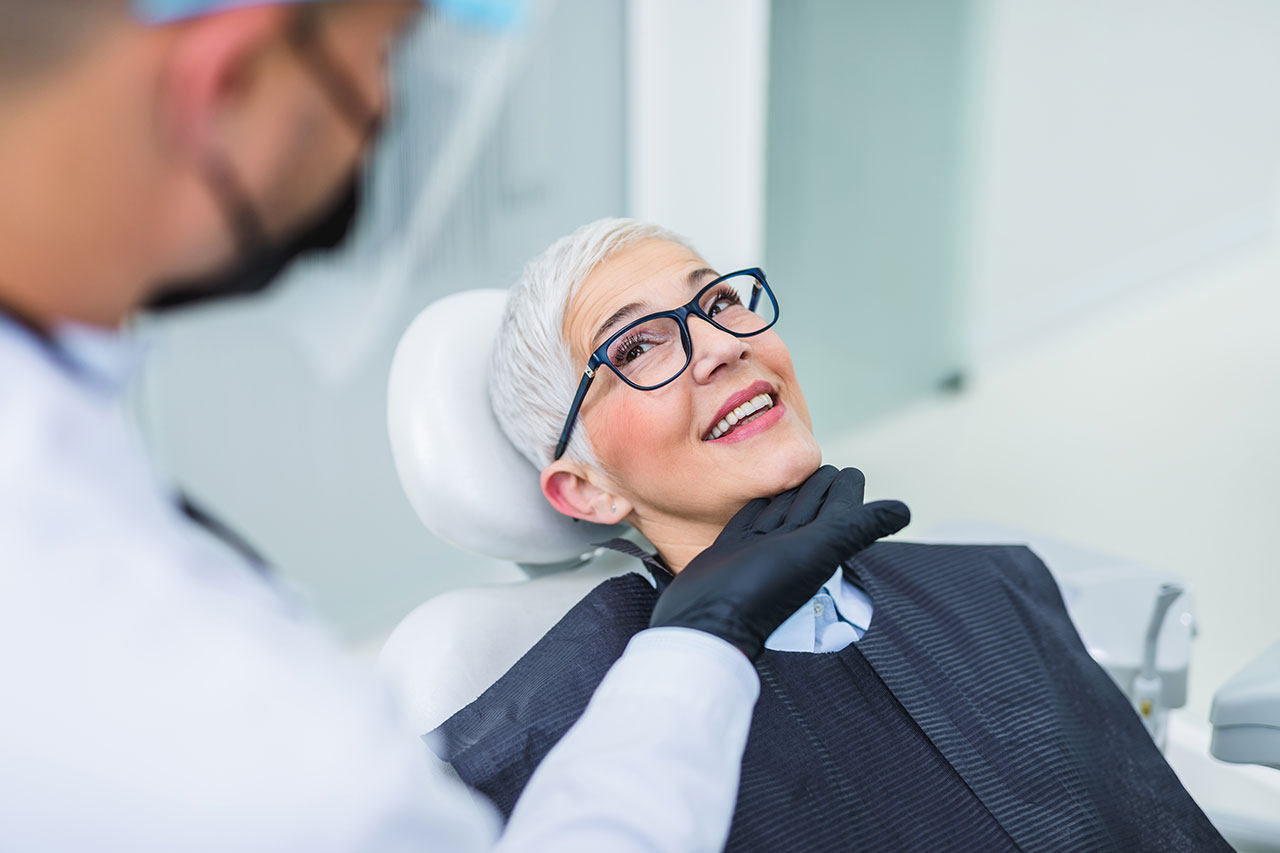

When your teeth feel clean after brushing, it is easy to wonder whether a professional dental cleaning is really necessary. However, even an excellent home routine may leave plaque in tight spaces, along the gumline, or around dental work. Regular preventive dental care, including professional hygiene visits, helps remove buildup and gives the dental team an opportunity to monitor your teeth and gums.
At Advanced Restorative Solutions in Sheffield, OH, dental hygiene visits are designed to support comfort, education, and long-term oral health. A cleaning is not simply a polish for the teeth. It can include gum evaluation, removal of hardened deposits, assessment of home-care challenges, and guidance tailored to your smile.
Dental hygiene care is useful for patients with natural teeth, implants, crowns, bridges, clear aligners, dentures, and other restorations. Each type of smile has different cleaning needs. Therefore, the recommendations you receive should reflect the condition of your mouth rather than follow a one-size-fits-all routine.
What Is a Dental Hygiene Visit?
A dental hygiene visit is a professional appointment focused on cleaning the teeth, evaluating the gums, and helping patients maintain oral health between dental exams. A registered dental hygienist typically performs the cleaning and works closely with the dentist to identify areas that may need attention.
The visit often begins with a review of changes in your health, medications, comfort, and dental routine. This information matters because certain medical conditions and medications can affect the gums, saliva, healing, and cavity risk.
The hygienist may then examine the gums and measure the spaces around the teeth. These measurements help show whether the gums are healthy and stable or whether there are areas of inflammation that need closer care.
During the cleaning, plaque and hardened buildup are removed from the tooth surfaces and around the gumline. The teeth may also be polished to remove certain surface stains and create a smoother feeling. Finally, the hygienist may floss between the teeth and provide personalized home-care suggestions.
Why Brushing Alone Cannot Remove Every Deposit
Plaque is a soft film that can collect on the teeth throughout the day. Regular brushing and cleaning between the teeth help remove it. However, if plaque remains in place, minerals in saliva can cause it to harden into a deposit that cannot be brushed away at home.
These hardened deposits may develop along the gumline or in areas where teeth overlap. They can also form behind the lower front teeth, around orthodontic attachments, beside crowns, or beneath bridgework. Professional instruments are needed to remove them safely.
Even careful brushers may miss areas because of tooth position, dexterity limitations, a strong gag reflex, or difficulty seeing the back of the mouth. A dental hygiene visit can identify these patterns and help you adjust your technique without judgment.
Benefits of Dental Hygiene Visits
Dental hygiene visits provide several advantages for patients who want to maintain a healthy, comfortable smile. The most valuable benefit is often consistency. When the dental team sees you regularly, subtle changes may be easier to recognize.
- Removes hardened buildup that cannot be brushed away
- Helps reduce plaque around the gumline
- Allows gum measurements to be monitored over time
- Provides guidance for improving brushing and flossing
- Helps maintain crowns, bridges, implants, and dentures
- May remove certain surface stains from the teeth
- Supports fresher breath by reducing buildup
- Creates an opportunity to discuss sensitivity or dry mouth
- Helps identify areas that are difficult to clean at home
- Supports early recognition of oral health changes
Professional hygiene care can also help patients feel more confident about their home routine. Instead of guessing which tools or techniques may work, patients can receive recommendations based on what the hygienist sees during the appointment.
What Gum Measurements Can Tell You
The gums form a small space around each tooth. During a hygiene appointment, the hygienist may gently measure these spaces and record the findings. The measurements provide useful information about gum health and support around the teeth.
Changes in these measurements can indicate inflammation or other concerns. Bleeding during the evaluation may also show that an area needs more attention. However, one measurement does not tell the entire story. The dental team considers the overall pattern, tissue appearance, dental history, imaging, and other factors.
Patients may be surprised when the hygienist reads numbers aloud during the exam. These numbers are part of the periodontal chart and allow the team to compare gum health over time. Consistent records make it easier to recognize improvement or progression.
Dental Hygiene Care for Sensitive Teeth
Tooth sensitivity can make patients nervous about professional cleanings. Sensitivity may occur because of gum recession, enamel wear, cavities, recent dental work, or exposed root surfaces. Let the hygienist know which areas are sensitive before the cleaning begins.
Adjustments can often be made to improve comfort. The hygienist may change instruments, use a gentler technique, avoid extreme water temperatures, or recommend a sensitivity product. In addition, the dentist can examine sensitive areas to determine whether they need treatment.
Avoiding dental hygiene visits because of sensitivity may allow the underlying cause to progress. Open communication gives the team a better chance to make the visit comfortable while protecting your oral health.
Cleaning Around Crowns, Bridges, and Dental Implants
Restored teeth and dental implants require ongoing care. Plaque can collect where a crown meets the tooth, beneath a bridge, or around an implant restoration. These areas may require special tools and techniques.
For example, floss threaders or specialized floss may help clean beneath a dental bridge. Small interdental brushes may be useful around certain implant restorations. A water flosser can also support cleaning in areas that are difficult to reach with traditional floss.
During a dental hygiene visit, the team can check whether your current tools are working well. They may demonstrate a different technique or recommend a product that fits your restoration. Small changes can make daily cleaning more effective and less frustrating.
Dental Hygiene Visits for Patients with Clear Aligners
Clear aligners are removable, which makes brushing and flossing easier than with fixed braces. However, aligners can hold moisture and residue against the teeth if they are placed back into the mouth without cleaning first.
Patients using aligners should brush after meals when possible and clean the trays according to instructions. Hygiene visits remain important during treatment because they allow the team to monitor the gums and remove buildup that may affect tooth movement or comfort.
A professional cleaning can also help keep the smile looking fresh while the teeth are being aligned. If you notice bleeding gums, new sensitivity, or areas that are difficult to floss during treatment, mention them at your appointment.
How Dental Hygiene Supports Fresher Breath
Persistent bad breath can have several possible causes, including plaque buildup, gum inflammation, dry mouth, food particles, tobacco use, or health conditions. A professional cleaning may help when buildup around the teeth and gums contributes to the concern.
However, mouthwash alone may only cover the odor temporarily. The best approach is to identify the source. During a hygiene visit, the dental team can examine the gums, tongue, teeth, and restorations while discussing your home routine.
Cleaning the tongue, drinking enough water, and caring for removable appliances can also support fresher breath. If the concern continues despite good oral hygiene, a dental or medical evaluation may be appropriate.
Understanding Different Types of Dental Cleanings
Not every dental cleaning is the same. A routine cleaning is generally intended for patients whose gums and supporting tissues are relatively healthy. Patients with deeper buildup or gum disease may need a more involved type of cleaning.
The dental team determines the appropriate service based on gum measurements, bleeding, buildup, bone levels, and other findings. Choosing the correct type of cleaning is important because a routine polish cannot adequately address every gum condition.
If a deeper cleaning is recommended, ask the team to explain what they found and how the treatment is expected to help. Understanding the reason for the recommendation can make the process feel less uncertain.
How to Prepare for Your Dental Hygiene Visit
You do not need to make your teeth perfect before coming to the dentist. Brush and floss as you normally would, then arrive ready to discuss any concerns. Bring an updated medication list and mention recent health changes.
It may also help to write down questions about sensitivity, bleeding, flossing, whitening products, dry mouth, or home-care tools. Patients sometimes forget these questions once the appointment begins.
Most importantly, do not feel embarrassed if it has been a long time since your last cleaning. The purpose of the visit is to understand your current health and help you move forward. A supportive dental team should focus on solutions rather than criticism.
Maintaining Results Between Hygiene Appointments
The clean feeling after a hygiene visit can be maintained with consistent daily care. Brush twice each day using a soft-bristled toothbrush and fluoride toothpaste. Clean between the teeth at least once a day using floss or another tool recommended by the dental team.
Pay attention to the gumline and the back teeth, where plaque may be easier to miss. If you use an electric toothbrush, guide it slowly rather than scrubbing. If you use a manual brush, gentle circular motions can help clean without irritating the gums.
Routine habits are more valuable than occasional aggressive cleaning. A simple approach that you can maintain every day is usually more effective than an overly complicated routine used inconsistently.
Give Your Smile Consistent Professional Support
Dental hygiene visits help bridge the gap between daily home care and professional monitoring. They remove buildup, support gum health, maintain dental work, and provide practical information about your specific smile. Regular appointments can also make dental care feel more familiar and less stressful over time.
Contact Advanced Restorative Solutions in Sheffield, OH at 440-934-5966 to Schedule a Consultation and arrange a dental hygiene visit tailored to your oral health needs.