
Replacing missing teeth is about more than restoring your smile. It is also about finding a solution that helps you eat comfortably, speak clearly, and enjoy everyday activities. If you are comparing dental implants vs. dentures, understanding how each treatment works can help you make a more informed decision. At Advanced Restorative Solutions in Sheffield, OH, patients can explore dental implants and other restorative options based on their individual oral health needs and treatment goals.
Both dental implants and dentures can replace missing teeth, but they provide support in different ways. Dental implants are positioned within the jawbone, while traditional dentures rest on the gums and underlying tissues. These differences influence everything from chewing stability to treatment time, daily maintenance, and overall cost.
There is no single tooth replacement solution that is right for everyone. Some patients prefer the simplicity of removable dentures, while others want the stability of implant-supported teeth. In addition, certain patients may benefit from a combination of both approaches.
Understanding Dental Implants and Dentures
Before comparing treatment options, it helps to understand what each restoration is designed to accomplish.
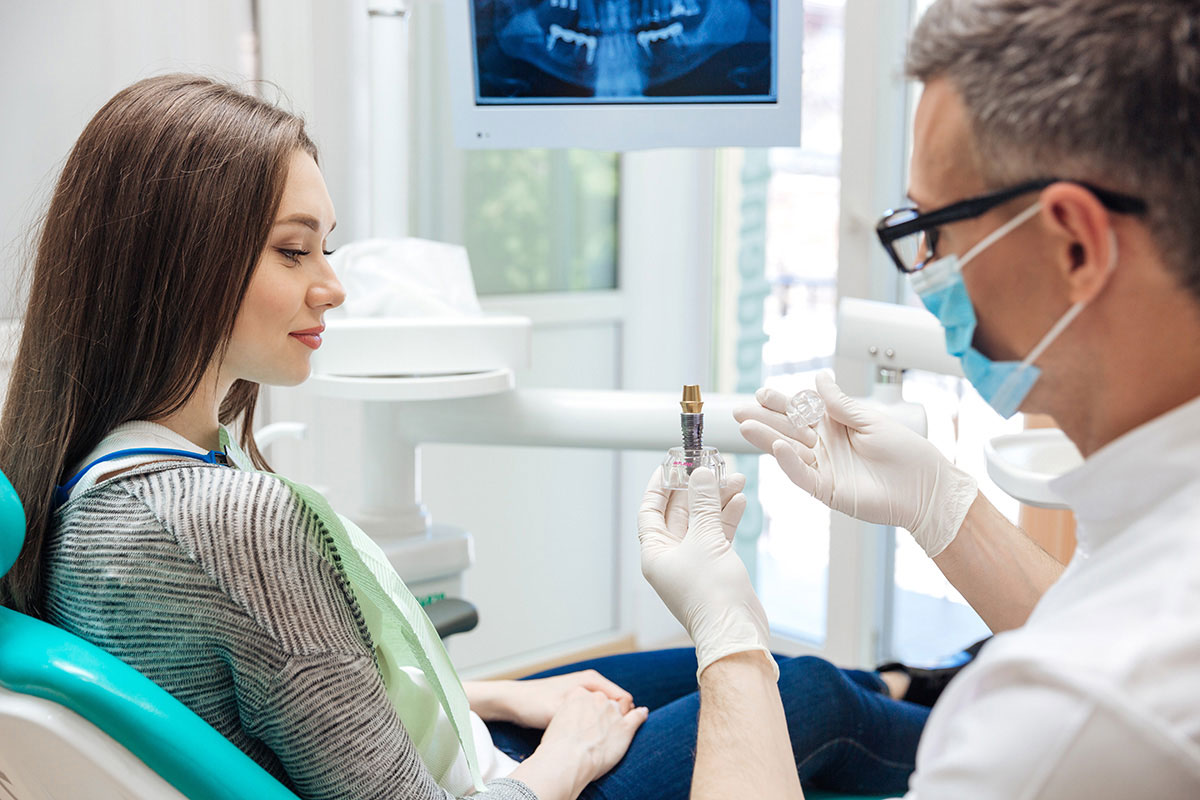
Dental implants are small posts placed within the jawbone to support replacement teeth. Once an implant has healed and developed a stable connection with the surrounding bone, it can support a crown, bridge, or full-arch restoration.
Traditional dentures are removable appliances that replace missing teeth. A complete denture replaces all teeth in an upper or lower arch, while a partial denture replaces several missing teeth when some natural teeth remain.
Although both treatments restore missing teeth, their methods of support are different. Consequently, the experience of wearing dentures may differ significantly from having fixed implant-supported teeth.
How Dental Implants Work
Dental implants replace the supporting function of natural tooth roots. During implant placement, the dentist positions the implant within the jawbone. Over time, the surrounding bone heals and develops a connection with the implant surface.
After appropriate healing, a custom restoration is attached. A single implant may support one replacement tooth, while several implants can support multiple teeth.
For patients missing most or all teeth in an arch, All-on-X dental implants may provide a fixed full-arch replacement option. Instead of placing one implant for every missing tooth, multiple strategically positioned implants support a complete set of replacement teeth.
However, implant treatment requires careful evaluation. Bone availability, gum health, medical history, and the intended restoration all influence whether implants are appropriate.
How Traditional Dentures Work
Traditional dentures are designed to fit the shape of the mouth and replace missing teeth with a removable appliance. Complete dentures rely on the gums and underlying jaw ridge for support.
Upper dentures may also benefit from suction created by their fit against the palate. Lower dentures can be more challenging to stabilize because the tongue and surrounding muscles influence the available space.
Partial dentures may use remaining natural teeth for additional support and retention. Their design depends on the location of missing teeth and the condition of the remaining dentition.
Modern dentures can be customized to reflect natural tooth proportions, shade, and facial appearance. Nevertheless, their fit may change over time as the gums and jawbone change.
Benefits of Dental Implants vs. Dentures
Both dental implants and dentures offer meaningful advantages. Comparing their benefits can help you identify which features are most important to your daily life.
Benefits of Dental Implants
- Provide stable support within the jawbone.
- Can support fixed replacement teeth.
- May improve chewing efficiency compared with conventional removable dentures.
- Help maintain bone around successfully integrated implants.
- Can replace one tooth, several teeth, or an entire arch.
- Generally do not require neighboring teeth to support a single implant crown.
- May reduce concerns about removable appliances shifting during meals.
- Can provide long-term function with appropriate maintenance.
Benefits of Traditional Dentures
- Can replace multiple missing teeth without implant surgery.
- May involve a shorter initial treatment timeline.
- Generally have a lower initial cost than extensive implant treatment.
- Can restore tooth appearance and facial support.
- Are removable for convenient cleaning outside the mouth.
- Can be adjusted or replaced as oral tissues change.
- Offer an alternative for patients who are not suitable implant candidates.
- Can be customized for partial or complete tooth replacement.
Dental implants provide support from within the jawbone and may offer greater stability, while traditional dentures provide a removable, nonsurgical tooth replacement option. The best choice depends on oral health, bone availability, treatment preferences, budget, and maintenance needs.
Dental Implants vs. Dentures: Which Feels More Stable?
Stability is one of the most significant differences between these treatments. Fixed implant restorations are attached to implants and generally remain in place during everyday activities.
Traditional dentures, on the other hand, rely on their fit against oral tissues. Although a well-designed denture can provide useful function, some movement may occur while eating or speaking.
Patients who have difficulty with loose lower dentures may be particularly interested in implant support. Even a removable denture can gain additional retention when connected to dental implants.
However, stability is not the only consideration. Some patients are comfortable with conventional dentures and prefer to avoid surgery or a longer treatment process.
Comparing Chewing Function
Missing teeth can make it difficult to chew certain foods. Both dentures and implants aim to restore chewing surfaces, but they do so with different types of support.
Traditional dentures may require patients to modify how they bite and chew. For example, cutting food into smaller pieces and chewing on both sides of the mouth can help reduce movement.
Implant-supported restorations can provide a more stable foundation for chewing. Consequently, some patients find it easier to enjoy a wider variety of foods after implant treatment.
Nevertheless, replacement teeth still require reasonable care. Extremely hard foods, chewing ice, and using teeth to open packaging can damage both implant restorations and dentures.
What About Jawbone Health?
After natural teeth are lost, the jawbone in those areas can gradually change because the roots are no longer present. These changes may affect the shape of the ridge supporting a traditional denture.
Dental implants transfer functional forces into the surrounding bone. This can help maintain bone around the implant site when the implant remains healthy and properly supported.
However, implants do not prevent every type of bone change. Inflammation, infection, and other factors can still affect the surrounding tissues.
Patients who have worn dentures for many years may have reduced bone volume. An implant evaluation can help determine whether adequate bone remains or whether additional procedures should be considered.
Dental Implants vs. Dentures: Treatment Time
Treatment time can be an important factor when choosing replacement teeth. Conventional dentures generally do not require the same surgical healing process as implants.
However, dentures may still involve several appointments for impressions, bite measurements, design, and adjustments. If teeth need extraction, the gums and jawbone may continue changing during healing.
Dental implant treatment typically involves planning, placement, healing, and restoration. Depending on the case, the process may take several months or longer.
Some full-arch implant patients may receive temporary replacement teeth shortly after implant placement. However, immediate temporary teeth are not appropriate for every situation, and healing must still occur.
How Do the Costs Compare?
Traditional dentures generally have a lower initial cost than extensive implant treatment. Nevertheless, the total expense depends on the type of denture, number of missing teeth, and additional procedures required.
Dental implant costs may include diagnostic imaging, surgery, implant components, temporary teeth, and the final restoration. Bone grafting or other preparatory procedures may also affect the estimate.
When comparing costs, consider long-term maintenance as well. Dentures may need relining, adjustments, or replacement as oral tissues change. Implant restorations may require professional maintenance, component replacement, or repair.
A personalized treatment estimate can help you understand what is included and compare options based on both immediate and future needs.
Can Dental Implants and Dentures Be Combined?
Yes. Implant-retained dentures combine a removable denture with dental implants that provide additional stability.
These dentures attach to implant components and can be removed by the patient for cleaning. Compared with conventional dentures, implant retention may help reduce movement during everyday activities.
For some patients, this approach offers a useful balance between removable dentures and fixed full-arch treatment.
However, implant-retained dentures still require surgery, healing, and maintenance. Attachment components may also wear and need replacement over time.
Your dentist can explain how removable implant dentures compare with fixed restorations based on your oral anatomy and preferences.
Which Option Is Easier to Maintain?
Both treatments require daily care, although the cleaning routines differ.
Traditional dentures should be removed and cleaned according to professional instructions. The gums, tongue, and remaining natural teeth also need regular attention.
Fixed implant restorations remain in the mouth during daily cleaning. Patients must brush carefully and use recommended tools to remove plaque around implants and beneath connected replacement teeth.
Neither option eliminates the need for professional dental visits. Denture wearers need examinations to monitor fit and oral tissue health, while implant patients require maintenance of the surrounding tissues and restoration components.
Who May Be a Good Candidate for Dental Implants?
Dental implants may be appropriate for adults who have missing teeth, adequate bone support, and oral health that can support healing.
The dentist will also review medical conditions, medications, tobacco use, and the patient’s ability to maintain the restoration.
Some patients may need treatment for gum disease or bone grafting before implants can be placed. Others may be better served by a nonsurgical tooth replacement option.
Age alone does not determine whether implants are appropriate. Instead, treatment planning considers overall health, anatomy, healing ability, and individual goals.
Questions to Ask During Your Tooth Replacement Consultation
Preparing a few questions can make your consultation more productive. Consider asking:
- Which tooth replacement options are appropriate for my oral health?
- Do I have enough bone for dental implants?
- Would a removable or fixed restoration better suit my needs?
- How long would each treatment take?
- What maintenance would be required after treatment?
- Will I have temporary replacement teeth during healing?
- What is included in the estimated treatment cost?
These questions can help you compare treatments based on your own priorities rather than general assumptions about which option is better.
Frequently Asked Questions About Dental Implants vs. Dentures
Are dental implants better than dentures?
Dental implants may provide greater stability and fixed tooth replacement, while dentures offer a removable option without implant surgery. The best treatment depends on individual oral health, preferences, and financial considerations.
Can I switch from dentures to dental implants?
Possibly. Patients who currently wear dentures can undergo an implant evaluation to determine whether adequate bone and other conditions support implant treatment.
Do dental implants require less maintenance than dentures?
Both require daily cleaning and professional care. Implant restorations may require specialized cleaning tools, while traditional dentures must be removed and cleaned according to instructions.
Can dentures be attached to dental implants?
Yes. Implant-retained dentures use dental implants and attachment components to provide additional retention while remaining removable for cleaning.
Are dental implants more expensive than dentures?
Dental implants generally have a higher initial cost because they involve surgical placement and additional restorative components. Individual treatment estimates vary according to the complexity of care.
Find a Tooth Replacement Solution That Fits Your Life
Choosing between dental implants and dentures involves more than comparing two types of replacement teeth. It means considering how you want your smile to function, what maintenance you are comfortable performing, and which treatment fits your overall health and priorities.
Contact Advanced Restorative Solutions in Sheffield, OH at 440-934-5966 to Schedule a Consultation and explore dental implants, dentures, and other personalized tooth replacement options.