What if you could explore the possibilities for your smile before beginning cosmetic dental treatment? Digital smile design uses photographs, digital scans, and computer-assisted planning to help visualize potential changes to tooth shape, size, alignment, and appearance. At Advanced Restorative Solutions in Sheffield, OH, modern cosmetic dentistry can incorporate detailed planning to help patients make informed decisions about their smiles.
Rather than selecting treatments based only on a verbal description, digital smile planning can help patients and dentists discuss the relationship between individual teeth, facial features, and overall smile proportions. It can also provide a clearer understanding of how different restorative and cosmetic procedures may work together.
However, digital smile design is more than creating an attractive image on a computer screen. A successful plan must also consider oral health, bite function, available tooth structure, and the practical limitations of dental materials.
What Is Digital Smile Design?
Digital smile design is a planning approach that uses digital records and computer-assisted visualization to evaluate potential cosmetic dental improvements.
Depending on the technology and treatment being considered, the process may involve facial photographs, intraoral photographs, digital impressions, and software that allows the dentist to explore different tooth shapes and proportions.
The information can help create a visual representation of proposed changes. For example, the dentist may evaluate how slightly longer front teeth, different tooth contours, or changes in symmetry could influence the overall smile.
Importantly, a digital preview is a planning tool rather than a guarantee of the final result. Actual treatment must account for the biological and mechanical conditions of the mouth.
Why Smile Planning Matters Before Cosmetic Dentistry
Every smile has its own characteristics. Tooth length, width, shade, gum position, lip movement, and facial proportions all influence appearance.
Because these features work together, changing one tooth can affect the way the entire smile looks. For instance, a restoration that is too long or too wide may appear out of balance even if its color matches perfectly.
Digital planning allows the dentist to evaluate these relationships before treatment begins. It also creates an opportunity for patients to explain their preferences using visual examples.
Some patients want subtle improvements that preserve the familiar character of their smile. Others may prefer more noticeable changes. Neither preference is inherently better, and treatment should reflect individual goals.
Benefits of Digital Smile Design
Digital smile design can make cosmetic and restorative treatment planning more collaborative, organized, and easier to understand.
- Helps patients visualize potential changes before treatment begins.
- Supports communication about tooth shape, length, and proportions.
- Allows cosmetic goals to be discussed alongside functional requirements.
- Can help coordinate multiple dental procedures.
- Provides visual information that may assist in designing custom restorations.
- Encourages realistic discussions about treatment possibilities and limitations.
- Can support conservative planning by identifying which teeth actually need treatment.
- Helps patients compare different approaches to cosmetic improvement.
- May improve communication between the dentist and dental laboratory.
- Creates an opportunity to discuss maintenance and long-term expectations before treatment.
Digital smile design uses digital photographs, scans, and computer-assisted planning to help visualize potential cosmetic dental changes. It supports personalized treatment decisions by considering appearance, tooth structure, bite function, and patient preferences together.
What Happens During a Digital Smile Planning Consultation?
The process begins with a conversation about your smile and what you hope to accomplish. Rather than assuming that every patient wants the same result, the dentist can ask which features you would like to preserve or change.
You may want to address discoloration, uneven tooth edges, spacing, older dental work, or a combination of concerns.
Next, the dentist evaluates the condition of your teeth and gums. This step helps determine whether cosmetic treatment is appropriate or whether underlying dental problems should be addressed first.
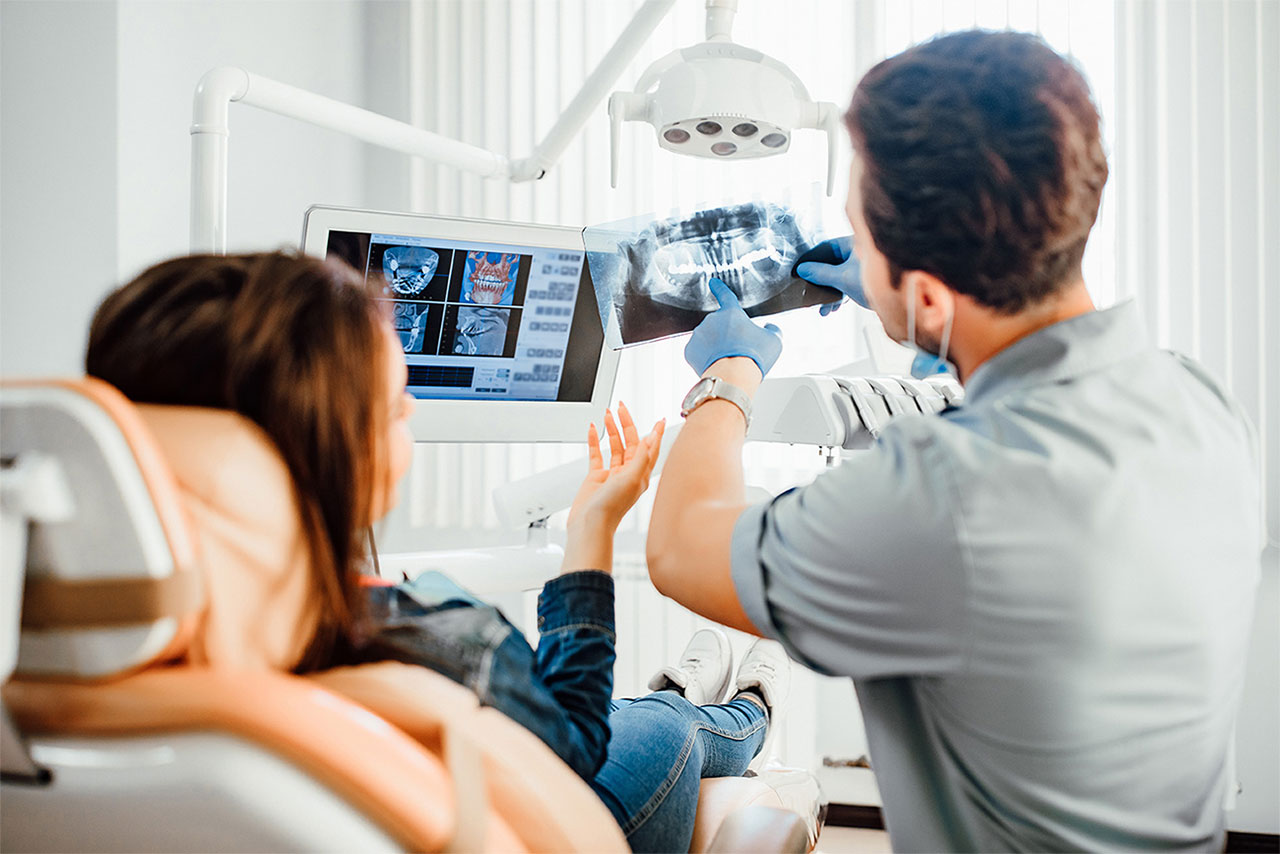
Photographs and digital scans may then be collected to document the existing smile. These records can support discussions about possible changes and help guide the restorative plan.
How Digital Dental Scans Support Smile Design
Digital impressions capture the shape and position of teeth using an intraoral scanner. The resulting three-dimensional model can provide information about tooth contours, spacing, and bite relationships.
Compared with traditional impressions, digital scans may offer a different experience for patients because they do not always require impression material to be held in the mouth.
However, the usefulness of a scan extends beyond convenience. Digital models can help the dentist evaluate available space for restorations and communicate design information to a dental laboratory.
For patients considering multiple restorations, this information may help coordinate the shape and position of individual teeth within the overall treatment plan.
How Facial Photographs Influence Smile Planning
A smile is not viewed independently from the face. Lip position, facial proportions, and natural expressions all affect how teeth appear during conversation and smiling.
Facial photographs can help the dentist evaluate how much tooth structure is visible when the lips are relaxed and when a patient smiles naturally.
In addition, photographs may help identify differences in tooth length, symmetry, and the relationship between the smile and surrounding facial features.
These observations can support a personalized design rather than applying identical tooth shapes to every patient.
Nevertheless, mathematical proportions and symmetry are only guides. A natural-looking smile does not require every tooth to follow a rigid formula.
Can Digital Smile Design Help with Porcelain Veneers?
Porcelain veneers are thin restorations placed primarily over the front surfaces of teeth. They may be considered for selected cosmetic concerns involving tooth color, shape, minor chips, or small spaces.
Digital planning can help evaluate how veneers might change the appearance of individual teeth and the smile as a whole.
For example, if several front teeth have uneven edges, a proposed design can help demonstrate how adjustments in length and contour might create a more coordinated appearance.
However, veneers should not be recommended solely because a digital image looks attractive. The dentist must evaluate enamel, tooth position, bite forces, and the amount of preparation required.
In some cases, bonding, whitening, or orthodontic treatment may offer a more conservative approach.
Digital Smile Design and Dental Crowns
Dental crowns provide coverage for teeth that have significant structural damage, extensive fillings, or other restorative needs.
When crowns are placed on visible teeth, their appearance becomes an important part of treatment planning. Digital records may help evaluate tooth shape, shade, and how the restoration will relate to neighboring teeth.
For patients receiving several crowns, a coordinated design can help create consistent proportions without making every tooth look identical.
Nevertheless, a crown must also function properly. The dentist considers the underlying tooth, restoration thickness, bite contacts, and the health of surrounding tissues.
Combining cosmetic planning with restorative dentistry can help balance appearance and function.
Can Dental Implants Be Included in a Digital Smile Plan?
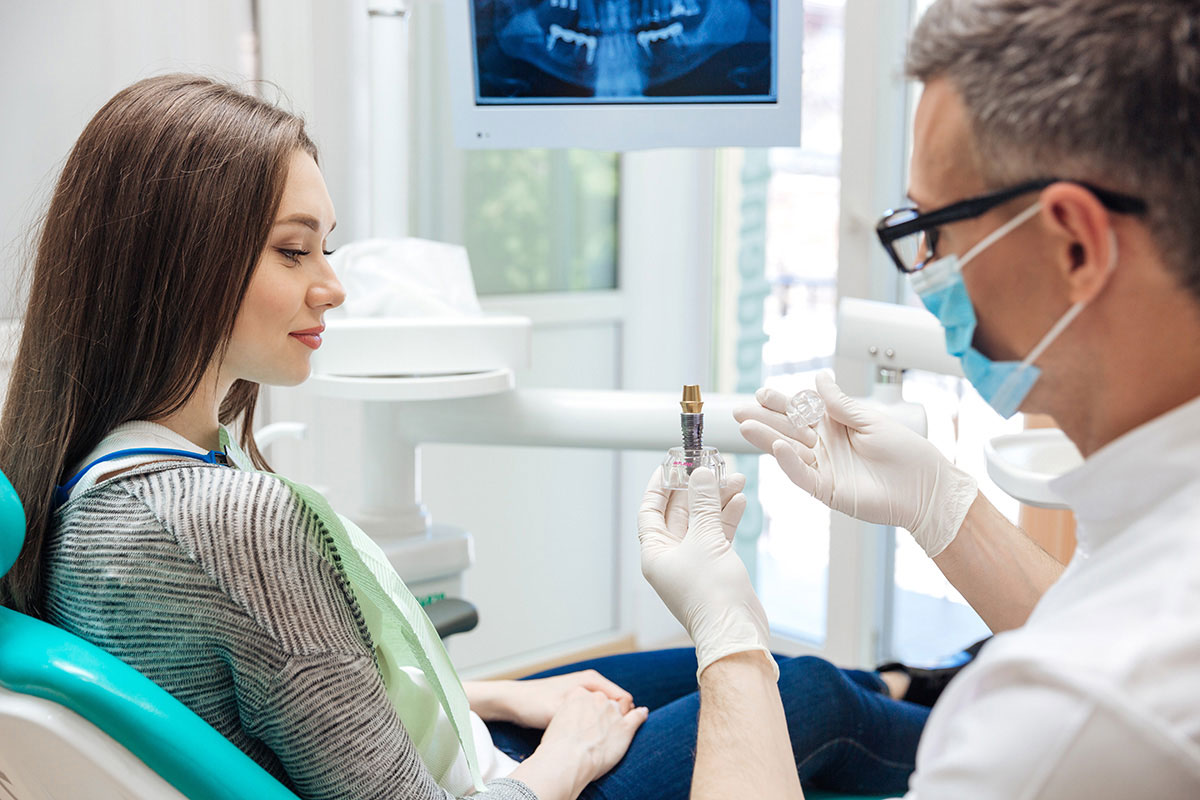
Yes. Missing teeth can influence both the appearance and function of a smile. Dental implant planning may involve determining where a replacement tooth should be positioned before selecting the implant location.
Digital restorative planning can help evaluate the relationship between the intended crown, neighboring teeth, available space, and the bite.
Three-dimensional imaging may also be needed to assess the jawbone and nearby anatomical structures.
Patients considering dental implants may benefit from understanding how the final replacement teeth influence surgical and restorative decisions.
For larger implant-supported restorations, planning may also consider facial support, speech, cleaning access, and the position of the replacement teeth.
What About Teeth Whitening?
Teeth whitening may be included in a cosmetic treatment plan when natural tooth discoloration is a concern.
Because whitening products affect natural enamel differently from porcelain and other restorative materials, the order of treatment matters.
For example, if a patient plans to whiten natural teeth and receive a new front crown, whitening may need to occur before the final crown shade is selected.
Digital photographs can help document existing tooth color and support discussions about the desired appearance.
However, screen displays and digital images do not always reproduce tooth shade perfectly. Clinical shade selection remains an important part of the process.
Digital Smile Design and Clear Aligner Treatment
Tooth alignment can influence whether cosmetic restorations are necessary. Teeth that appear uneven because of their position may benefit from orthodontic treatment rather than being reshaped immediately.
Clear aligners may be considered for selected alignment concerns. Digital orthodontic planning can help evaluate potential tooth movement and its relationship to later cosmetic treatment.
In some cases, aligning teeth first may reduce the amount of tooth preparation needed for veneers or other restorations.
However, not every alignment concern can be corrected with clear aligners alone. A clinical evaluation is necessary to determine the most appropriate treatment approach.
Is a Digital Smile Preview the Same as the Final Result?
No. A digital preview represents a proposed design or potential treatment outcome. It is not a photograph of the completed result.
Actual restorations are influenced by tooth anatomy, gum tissues, material properties, healing, and the way teeth function together.
For example, a proposed change in tooth length may need adjustment if it interferes with the bite. Similarly, the available tooth structure may limit certain cosmetic changes.
Patients should use digital previews as communication tools. They can help explain preferences, compare possibilities, and establish realistic goals.
Before treatment begins, the dentist can discuss which aspects of the design are achievable and which may require modification.
Why Oral Health Comes Before Cosmetic Changes
Healthy teeth and gums provide the foundation for successful cosmetic dentistry. Active decay, gum inflammation, infections, or unstable restorations may need treatment before cosmetic procedures are completed.
For example, inflamed gums can change shape as they heal. Designing permanent restorations before those tissues stabilize may create an inaccurate starting point.
Similarly, teeth affected by severe grinding may require evaluation of bite forces before cosmetic restorations are recommended.
Digital planning is most useful when it reflects the actual clinical condition of the mouth. An attractive image alone cannot replace a comprehensive examination.
Can Smile Design Help Preserve Natural Tooth Structure?
Thoughtful treatment planning can help identify opportunities to preserve healthy enamel and other tooth structure.
Instead of automatically placing veneers or crowns on every visible tooth, the dentist can evaluate whether individual concerns might be addressed with less extensive procedures.
For instance, whitening may improve color, bonding may repair a small chip, and orthodontic treatment may improve tooth position.
When restorations are necessary, digital records can help evaluate the amount of space available for the selected material.
Preserving healthy tooth structure remains an important consideration because cosmetic treatment should support long-term oral health as well as appearance.
How Long Does Digital Smile Design Take?
The timeline depends on the complexity of the proposed treatment. A patient considering a small cosmetic change may require a relatively straightforward planning process.
A patient receiving multiple veneers, crowns, implants, or comprehensive restorative treatment may need additional records, design discussions, and appointments.
The planning phase is also separate from the treatment phase. Even when a digital design can be developed quickly, the actual procedures may require laboratory fabrication, healing, or staged appointments.
Ask your dentist to explain the expected sequence so you understand how planning, treatment, and follow-up care fit together.
Maintaining Your Smile After Cosmetic Treatment
Once cosmetic or restorative treatment is completed, daily maintenance helps protect the result.
Brush twice daily, clean between teeth, and attend professional examinations. Avoid using teeth to open packaging or bite hard objects.
If grinding or clenching is present, a custom night guard may be recommended to help protect restorations.
Patients with implants, bridges, or multiple connected restorations may also need specialized cleaning tools.
Digital smile planning should include a discussion about long-term care so patients understand how to maintain the restorations they choose.
Frequently Asked Questions About Digital Smile Design
What is digital smile design?
Digital smile design is a treatment planning approach that uses digital photographs, scans, and computer-assisted visualization to evaluate potential changes to a patient’s smile.
Can I see my new smile before cosmetic dental treatment?
Digital previews may help you visualize proposed changes before treatment. However, these previews are planning tools and do not guarantee an identical final result.
Does digital smile design require veneers?
No. Digital smile planning may involve whitening, bonding, orthodontics, crowns, implants, veneers, or other treatments depending on the patient’s needs.
Can digital smile design be used for missing teeth?
Yes. Digital planning can help evaluate the position and appearance of replacement teeth when dental implants, bridges, or other restorations are being considered.
Is digital smile design suitable for everyone?
Digital planning may be useful for many cosmetic and restorative cases, but treatment recommendations depend on oral health, anatomy, bite function, and individual goals.
Discover the Possibilities for Your Smile
Modern smile planning can help turn cosmetic dentistry into a more collaborative experience. By discussing potential changes, evaluating oral health, and considering how different treatments work together, you can make decisions that reflect both your preferences and your long-term dental needs.
Contact Advanced Restorative Solutions in Sheffield, OH at 440-934-5966 to Schedule a Consultation and explore how personalized cosmetic and restorative treatment planning may help you achieve your smile goals.