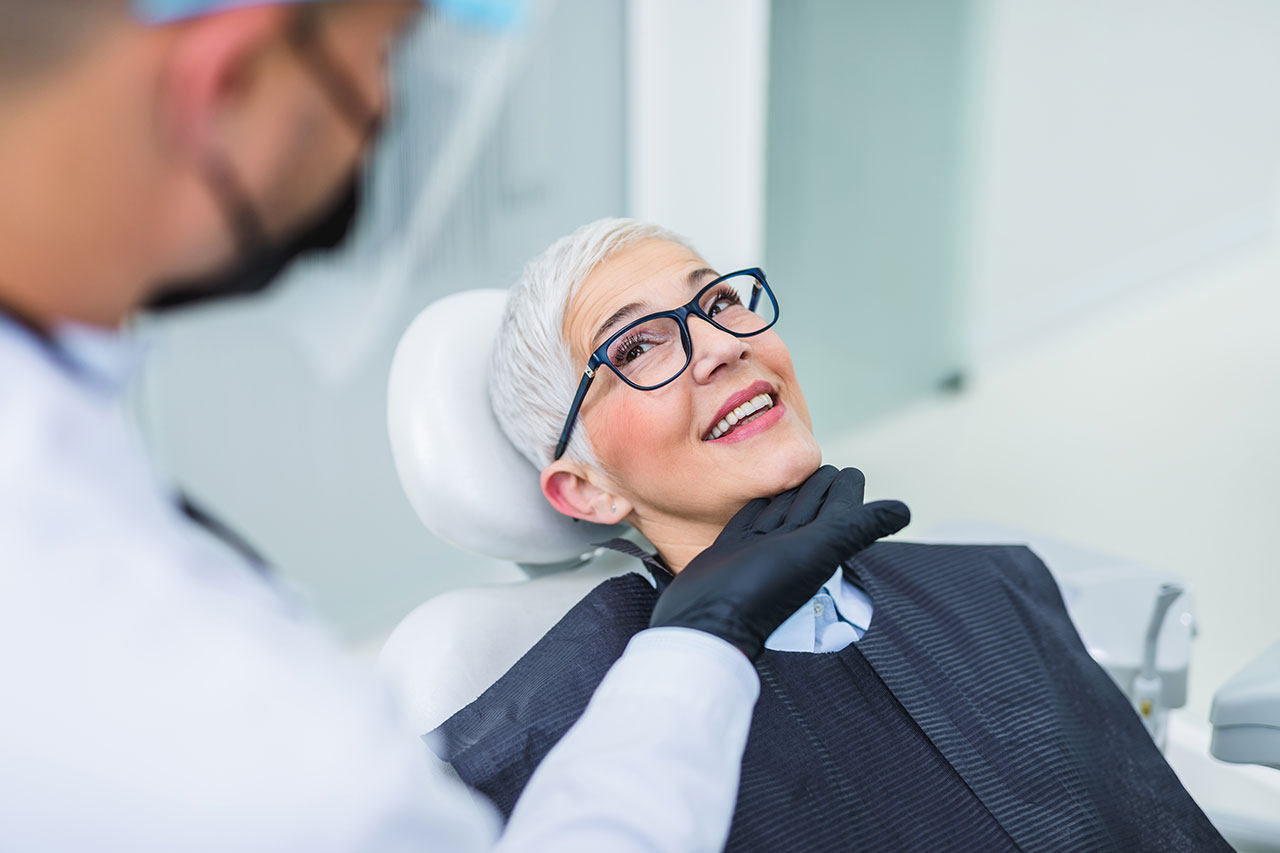

What if many common dental problems could be found before they caused pain, disrupted your schedule, or required more extensive treatment? That is the purpose of preventative dentistry. Instead of waiting for a tooth to hurt, preventive dental care focuses on protecting healthy teeth, monitoring changes, and addressing small concerns as early as possible.
At Advanced Restorative Solutions in Sheffield, OH, preventative dentistry is personalized to each patient’s needs. Regular exams, professional cleanings, diagnostic imaging, oral health screenings, fluoride treatments, and home-care guidance can all work together to support a healthier smile. Although no routine can prevent every dental concern, consistent care can make problems easier to detect and manage.
Preventative dentistry is important at every stage of life. Children are learning habits that can influence their future oral health, while adults may be managing older fillings, crowns, gum changes, sensitivity, or wear. Meanwhile, older adults may face dry mouth, exposed tooth roots, missing teeth, or difficulty keeping restorations clean. A personalized preventive plan considers these differences rather than using the same approach for everyone.
What Is Preventative Dentistry?
Preventative dentistry includes services and habits intended to maintain oral health and reduce the risk of cavities, gum problems, tooth damage, and other concerns. It combines professional dental care with daily brushing, flossing, nutrition choices, and attention to changes in the mouth.
Routine dental exams are an important part of preventative dentistry because many oral health issues do not cause immediate discomfort. A small cavity may develop without pain. Gum inflammation may progress gradually. A cracked filling may feel normal until part of the tooth breaks. Regular evaluations give the dental team an opportunity to identify these concerns before they become more disruptive.
Professional cleanings are another key part of preventative dentistry. Even patients who brush and floss carefully can develop hardened buildup in areas that are difficult to reach. Removing this buildup helps keep the teeth and gums cleaner. In addition, the hygienist can point out areas that may need more attention at home.
What Happens During a Preventive Dental Visit?
A preventative dentistry appointment may include several steps depending on your health history, age, symptoms, and time since your last visit. The process usually begins with an update about your medical history, medications, dental concerns, and any changes you have noticed.
The dental team may examine your teeth, gums, tongue, bite, jaw, and existing dental work. They may also measure the spaces around the gums to look for signs of inflammation or loss of support. When appropriate, digital X-rays or other imaging may be used to view areas that cannot be examined directly.
A professional cleaning generally includes the removal of plaque and hardened deposits, followed by polishing and flossing. Your hygienist may also discuss brushing technique, flossing tools, sensitivity, dry mouth, or products that could make your routine easier.
Preventive care is not limited to cleaning teeth. It is also an opportunity to ask questions and understand your oral health. When patients know why a recommendation is being made, they are better prepared to make informed decisions about treatment.
Benefits of Preventative Dentistry
Preventative dentistry supports more than a clean feeling after an appointment. Consistent preventive care can protect your comfort, function, and confidence while helping the dental team monitor changes over time.
- Helps identify cavities while they may still be small
- Allows gum inflammation to be recognized and addressed
- Monitors crowns, fillings, bridges, implants, and dentures
- Removes hardened buildup that brushing cannot remove
- Provides personalized guidance for brushing and flossing
- Helps detect signs of tooth grinding, cracking, or unusual wear
- Supports fresher breath by reducing plaque and buildup
- Creates a consistent record of changes in your oral health
- May reduce the likelihood of unexpected dental emergencies
- Supports long-term comfort when eating, speaking, and smiling
In addition, preventative dentistry may help make future treatment more manageable. Treating a small concern often requires a different approach than treating the same concern after it has progressed. Early detection does not guarantee that treatment will be simple, but it can provide more options and additional time to plan.
How Preventative Dentistry Helps Protect Your Gums
Healthy gums support the teeth and help protect the structures beneath the gumline. However, plaque can collect where the teeth and gums meet. If it is not removed, the gums may become red, tender, swollen, or more likely to bleed.
Early gum inflammation can sometimes improve with professional cleaning and better home care. However, deeper gum concerns may require additional treatment. Routine preventive visits allow the dental team to measure gum health and compare findings from one appointment to the next.
Patients should mention bleeding, tenderness, persistent bad breath, gum recession, or changes in tooth stability. These symptoms should not be dismissed as a normal part of brushing or aging. They may indicate that the gums need closer attention.
The Role of Dental X-Rays and Modern Technology
A visual exam provides important information, but it cannot show every area of the mouth. Dental X-rays can help the dentist evaluate areas between teeth, beneath restorations, around tooth roots, and within the supporting bone.
Advanced Restorative Solutions uses modern dental technology to support accurate diagnosis and treatment planning. Depending on the situation, digital imaging or three-dimensional imaging may be recommended. These tools can help the dentist understand the position and condition of teeth, roots, bone, and other structures.
Imaging is recommended according to individual needs rather than automatically using the same schedule for every patient. Someone with a history of frequent cavities or extensive dental work may need different monitoring than someone with a consistently healthy smile.
Preventative Dentistry at Home
Dental visits are important, but daily habits have the greatest influence between appointments. Brushing twice a day with fluoride toothpaste helps remove plaque from exposed tooth surfaces. However, a toothbrush cannot fully clean between the teeth, which is why floss or another interdental cleaner is also important.
Some patients find traditional floss difficult to use. Floss holders, small interdental brushes, or water flossers may make cleaning easier. The right tool is the one that can be used safely and consistently. Your dental team can help you select an option based on your teeth, gums, dexterity, braces, implants, bridges, or other restorations.
It is also helpful to replace a toothbrush or brush head when the bristles become worn. Brushing harder does not necessarily clean better and may irritate the gums. Gentle, thorough brushing is usually more effective than aggressive scrubbing.
Food, Drinks, and Your Preventive Care Routine
Nutrition choices can influence oral health, especially when sugary or acidic foods and drinks are consumed frequently throughout the day. Each exposure can affect the environment in the mouth. Therefore, the frequency of snacking or sipping may matter as much as the total amount consumed.
Water is generally a tooth-friendly beverage and can help rinse away food particles. Meanwhile, sticky snacks may remain on the teeth longer than foods that clear quickly. Patients do not need to approach every meal with anxiety, but understanding these patterns can make preventive habits more effective.
Dry mouth can also increase oral health risks because saliva helps wash the teeth and balance acids. Certain medications, health conditions, and habits may reduce saliva flow. If your mouth often feels dry, mention it during your appointment so the dental team can discuss practical ways to improve comfort and protection.
Preventive Care for Existing Dental Work
Fillings, crowns, bridges, dentures, and dental implants still need regular monitoring. While restorative materials cannot develop decay in the same way natural enamel does, the teeth and gums around them can still experience problems.
For example, plaque may collect near the edge of a crown, beneath a bridge, or around an implant restoration. Specialized floss or brushes may be needed to keep these areas clean. Routine appointments give the dental team an opportunity to check fit, bite, gum response, and signs of wear.
Preventative dentistry can also help extend the useful life of dental work by identifying small maintenance needs. A bite adjustment, cleaning recommendation, or nightguard may help protect a restoration from unnecessary stress.
How Often Should You Schedule Preventive Visits?
Many patients are familiar with twice-yearly dental visits, but the right schedule depends on individual needs. Some people may do well with visits every six months. Others may benefit from more frequent appointments because of gum concerns, a history of cavities, dry mouth, orthodontic treatment, implants, or complex restorative work.
Your dentist and hygienist can recommend a schedule after evaluating your oral health. The goal is not to schedule more care than necessary. Instead, it is to create an interval that gives the team an appropriate opportunity to monitor your smile and support your home routine.
When to Call Between Routine Appointments
Preventative dentistry does not mean waiting for the next scheduled cleaning when something feels wrong. Contact the office if you notice persistent pain, swelling, a broken tooth, a loose restoration, gum changes, or sensitivity that does not improve.
It is also important to call after an injury or when a tooth suddenly feels different while biting. Even if the discomfort seems minor, early evaluation may prevent the concern from becoming harder to treat.
Protect Your Smile with Consistent Care
A healthy smile is supported by many small choices made over time. Regular exams, professional cleanings, thoughtful home care, and early attention to changes can all contribute to better oral health. Preventative dentistry gives you a structured way to protect the teeth you have while planning ahead for your future needs.
Contact Advanced Restorative Solutions in Sheffield, OH at 440-934-5966 to Schedule a Consultation and create a preventative dentistry plan designed for your smile.