Dental crowns are designed to protect damaged teeth and restore comfortable chewing, but even a well-made crown may eventually need attention. Changes in fit, sensitivity, visible damage, or discomfort can indicate that a restoration should be evaluated. At Advanced Restorative Solutions in Sheffield, OH, restorative dentistry helps patients maintain existing dental work and determine when repairing or replacing a crown may be appropriate.
If you have had a dental crown for several years, you may wonder whether its age alone means it is time for a replacement. Fortunately, there is no automatic expiration date for dental crowns. Some remain functional for many years, while others require earlier treatment because of changes in the tooth, surrounding tissues, or restoration itself.
Knowing what to watch for can help you recognize potential problems before they interfere with your comfort or oral health.
What Does a Dental Crown Do?
A dental crown is a custom restoration that covers most or all of the visible portion of a prepared tooth. It is commonly used when a tooth has been weakened by a large filling, fracture, extensive decay, or significant wear.
The crown restores the tooth’s shape and provides coverage for the remaining structure. It also helps recreate appropriate contact with neighboring and opposing teeth.
Depending on the clinical situation, a crown may be made from ceramic, zirconia, porcelain-containing materials, or other suitable dental materials.
Although crowns are designed for durability, they remain exposed to daily chewing forces, temperature changes, and normal wear. The natural tooth underneath also requires continued protection from decay and other dental problems.
How Long Do Dental Crowns Last?
Many dental crowns provide 10 to 15 years of service, and some last substantially longer. However, longevity varies considerably between patients and restorations.
The condition of the underlying tooth, crown material, bite forces, oral hygiene, and grinding habits all influence how long a crown remains functional.
A crown that has been in place for 20 years may still be healthy and stable. Meanwhile, a newer crown may require treatment if the supporting tooth develops decay or the restoration becomes damaged.
Therefore, crown replacement decisions should be based on clinical findings rather than age alone. Routine dental examinations help determine whether a crown continues to provide appropriate protection.
Benefits of Dental Crown Replacement
When an existing crown is damaged or no longer fits properly, replacing it may help restore the tooth’s function and protect the remaining natural structure.
- Can restore appropriate coverage for a weakened tooth.
- May address discomfort caused by a damaged or poorly fitting restoration.
- Allows the dentist to evaluate and treat decay beneath or around the crown.
- Can restore comfortable chewing and appropriate bite contacts.
- May improve the appearance of an older visible restoration.
- Provides an opportunity to correct food-trapping areas.
- Can replace chipped, cracked, or excessively worn restorative material.
- May improve access for daily cleaning when crown contours are redesigned.
- Helps maintain the natural tooth when it remains suitable for restoration.
- Can be coordinated with other restorative or cosmetic dental treatments.
A dental crown may need replacement when it becomes loose, damaged, poorly fitting, or affected by decay underneath. Persistent sensitivity, bite discomfort, and changes around the gumline should be evaluated by a dentist, even if the crown still looks intact.
Sign 1: Your Dental Crown Feels Loose
A properly secured crown should remain stable during normal chewing and cleaning. If you notice movement, clicking, or a sensation that the crown shifts when you bite, the restoration should be evaluated.
A loose crown may result from weakened dental cement, changes in the underlying tooth, decay, or damage to the restoration.
In some cases, the existing crown can be cleaned and recemented if it remains intact and the tooth is healthy. However, a new crown may be necessary if the original restoration no longer fits properly.
Avoid repeatedly moving the crown with your tongue or fingers. If it comes off completely, keep it in a safe container and contact your dentist.
Do not attempt to permanently reattach a dental crown with household glue.
Sign 2: You Notice New Sensitivity
Some patients experience temporary sensitivity after receiving a new crown. However, sensitivity that develops after a crown has been comfortable for months or years deserves attention.
You may notice discomfort when drinking cold beverages, eating sweets, or breathing cold air.
Possible causes include gum recession, exposed root surfaces, decay near the crown margin, or irritation inside the tooth.
Not every case of sensitivity means the crown needs replacement. The dentist may identify a different cause that can be treated without removing the restoration.
Nevertheless, persistent or worsening symptoms should not be ignored. An examination can help determine whether the crown, tooth, or surrounding tissues are responsible.
Sign 3: The Crown Has a Visible Chip or Crack
Dental crowns can chip or fracture under certain conditions. Heavy biting forces, grinding, trauma, or normal material fatigue may contribute to damage.
A small chip may affect appearance or create a rough edge. A larger fracture may expose underlying restorative material or reduce the crown’s ability to protect the tooth.
Depending on the material and extent of damage, the dentist may be able to smooth or repair a minor defect. More extensive fractures may require crown replacement.
Even if a damaged crown does not hurt, it is important to understand whether its protective function has been compromised.
Sign 4: Food Frequently Gets Trapped Around the Crown
Food occasionally becoming trapped between teeth is not unusual. However, repeated food impaction around one particular crown may indicate a change in the contact between teeth.
The crown may have worn, shifted, or lost an appropriate contour. Alternatively, neighboring teeth may have changed position.
Persistent food trapping can irritate the gums and make plaque control more difficult. It may also increase the risk of decay in natural tooth surfaces.
The dentist can evaluate whether the contact area needs adjustment or whether the crown should be replaced.
Until your appointment, clean the area gently with the recommended interdental tools rather than forcing sharp objects between the teeth.
Sign 5: You Experience Pain When Biting
Pain when chewing on a crowned tooth can have several causes. The bite may be placing excessive pressure on the restoration, or the underlying tooth may have developed a crack or inflammation.
Sometimes a patient notices discomfort only when chewing certain foods or biting in a particular direction.
A crown that feels too high or makes contact before surrounding teeth may require a bite adjustment. However, discomfort that develops long after treatment may indicate another problem.
Diagnostic testing and imaging can help determine whether the tooth needs additional treatment, crown replacement, or a different restorative approach.
Sign 6: The Gumline Around the Crown Has Changed
Gum tissues can change over time because of recession, periodontal disease, brushing habits, or other factors.
As the gumline changes, part of the crown margin or natural tooth root may become visible. Some patients notice a darker line near an older crown, particularly when certain restorative materials are present.
A visible margin does not automatically mean the crown has failed. However, exposed areas may be more vulnerable to plaque accumulation, sensitivity, or root decay.
The dentist can determine whether the crown remains healthy and whether the gum changes require separate treatment.
If appearance is a concern, cosmetic dentistry may help evaluate options for improving the visible restoration while maintaining tooth health.
Sign 7: There Is Decay Around or Beneath the Crown
Dental crown materials cannot develop cavities, but the natural tooth underneath remains susceptible to decay.
Bacteria can accumulate near the crown margin, particularly when plaque is not removed effectively. Over time, decay may develop in the exposed natural tooth structure.
Some areas of decay can be treated without replacing the entire crown. However, if decay extends beneath the restoration or compromises its fit, crown removal may be necessary.
Early detection is important because extensive decay can reduce the amount of healthy tooth structure available for another crown.
Routine examinations and appropriate dental imaging can help identify problems that are not visible during daily brushing.
Sign 8: The Crown No Longer Matches Your Smile
Natural teeth and restorative materials can change in appearance differently over time.
For example, natural teeth may become darker because of staining, while a porcelain crown retains its original shade. Alternatively, professional whitening may make surrounding natural teeth lighter without changing the crown color.
An older crown may also have contours or material characteristics that no longer match neighboring teeth.
If the crown remains healthy, replacement for appearance alone is generally an elective decision. Discussing your goals can help determine whether a new crown is appropriate or whether another cosmetic approach would be more conservative.
What Happens During a Dental Crown Evaluation?
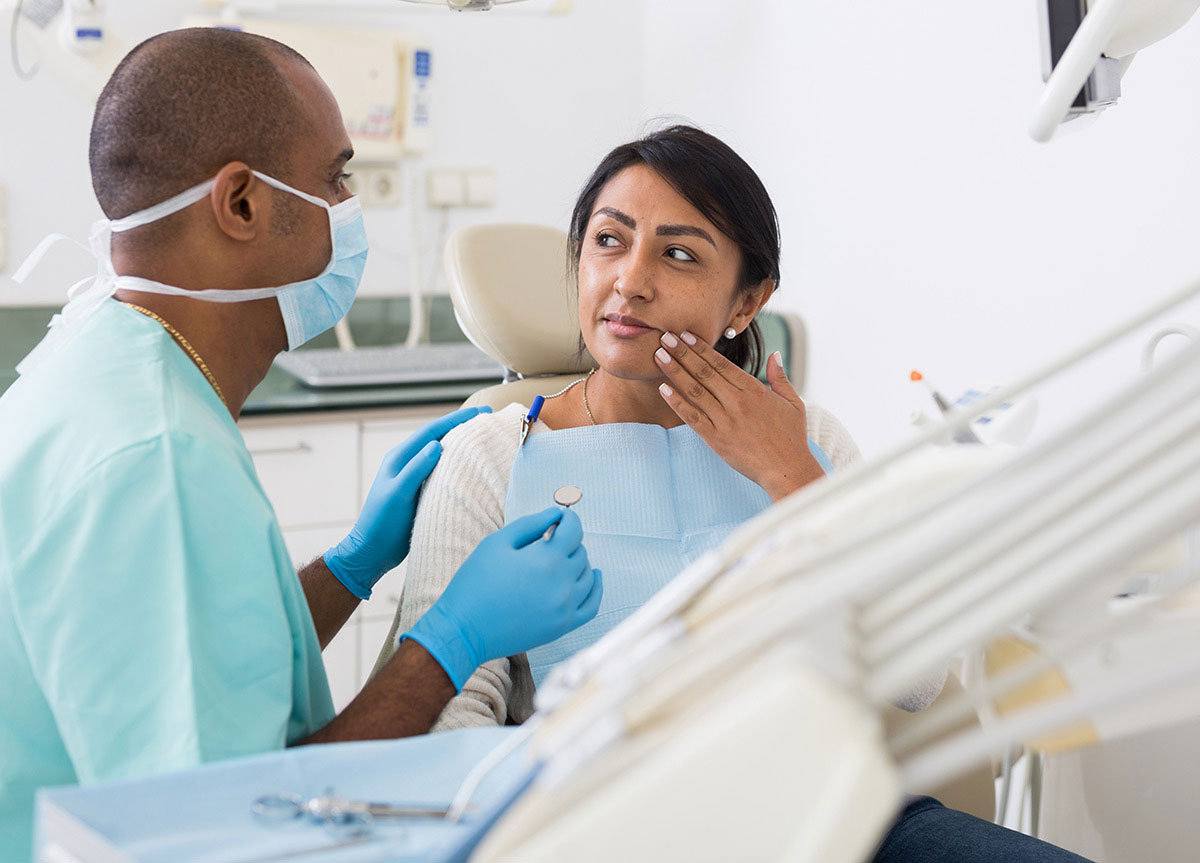
The dentist begins by asking about symptoms, changes you have noticed, and the history of the restoration.
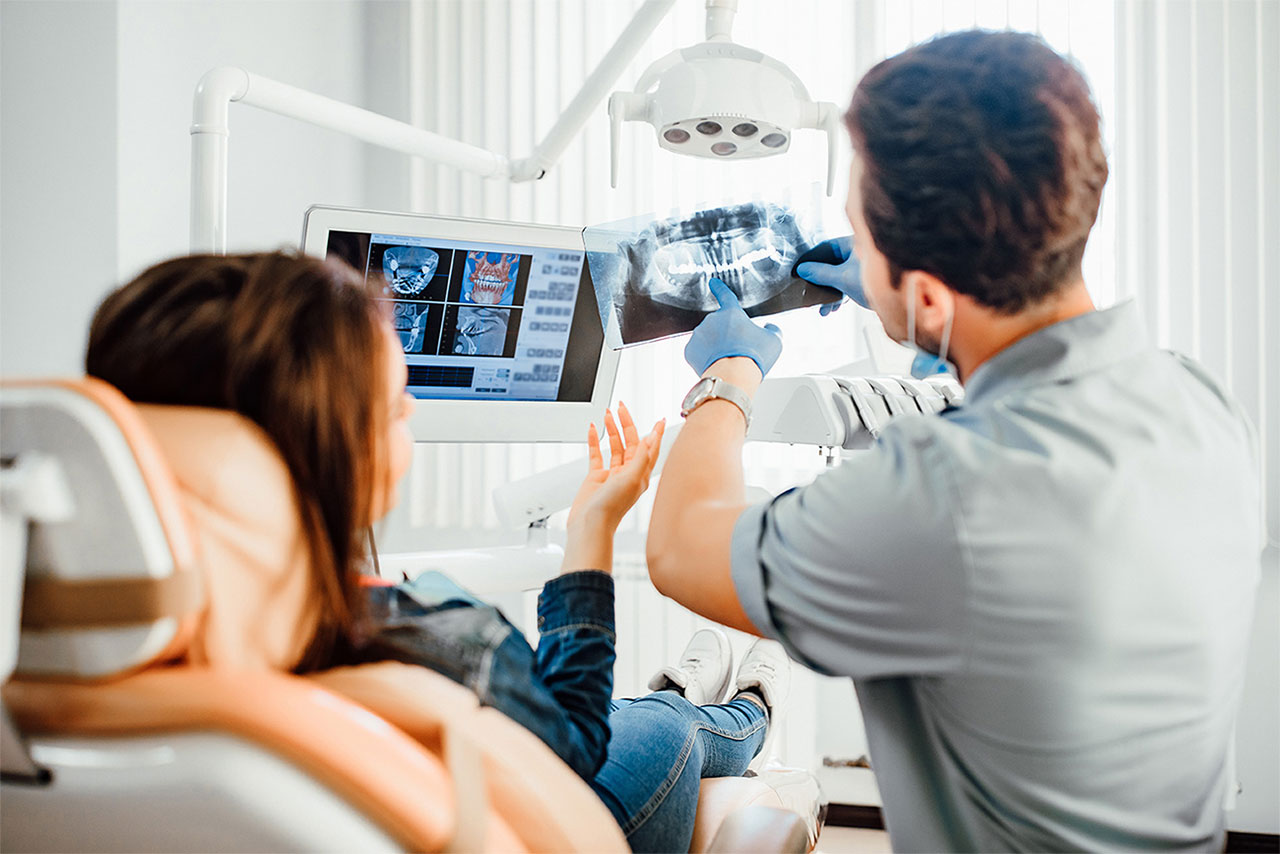
The examination may include checking the crown margins, testing its stability, evaluating the surrounding gums, and assessing how the teeth contact during biting.
Dental X-rays may be recommended to evaluate the underlying tooth, supporting bone, or possible decay.
Depending on the findings, the dentist may recommend monitoring, a minor adjustment, repair, recementing, or replacement.
The purpose of the evaluation is to determine what the tooth actually needs rather than replacing a crown simply because it is old.
What Happens When a Dental Crown Is Replaced?
If replacement is recommended, the existing crown is removed so the underlying tooth can be examined.
Any decay or damaged restorative material is addressed as needed. The dentist then determines whether enough healthy tooth structure remains to support a new crown.
Additional preparation may be necessary to create appropriate space and contours for the replacement restoration.
A digital scan or impression records the tooth and its relationship to neighboring teeth. Depending on the treatment workflow, a temporary crown may be placed while the final restoration is fabricated.
Once the new crown is ready, the dentist checks its fit, appearance, bite, and contacts before securing it.
Can Every Crowned Tooth Receive Another Crown?
Not necessarily. The ability to replace a crown depends on the condition of the underlying tooth.
If sufficient healthy structure remains, a new crown may provide appropriate protection. However, extensive decay, deep fractures, or severe loss of supporting tissues can make restoration less predictable.
Some teeth may need additional treatment before receiving a new crown. Others may no longer be suitable for restoration.
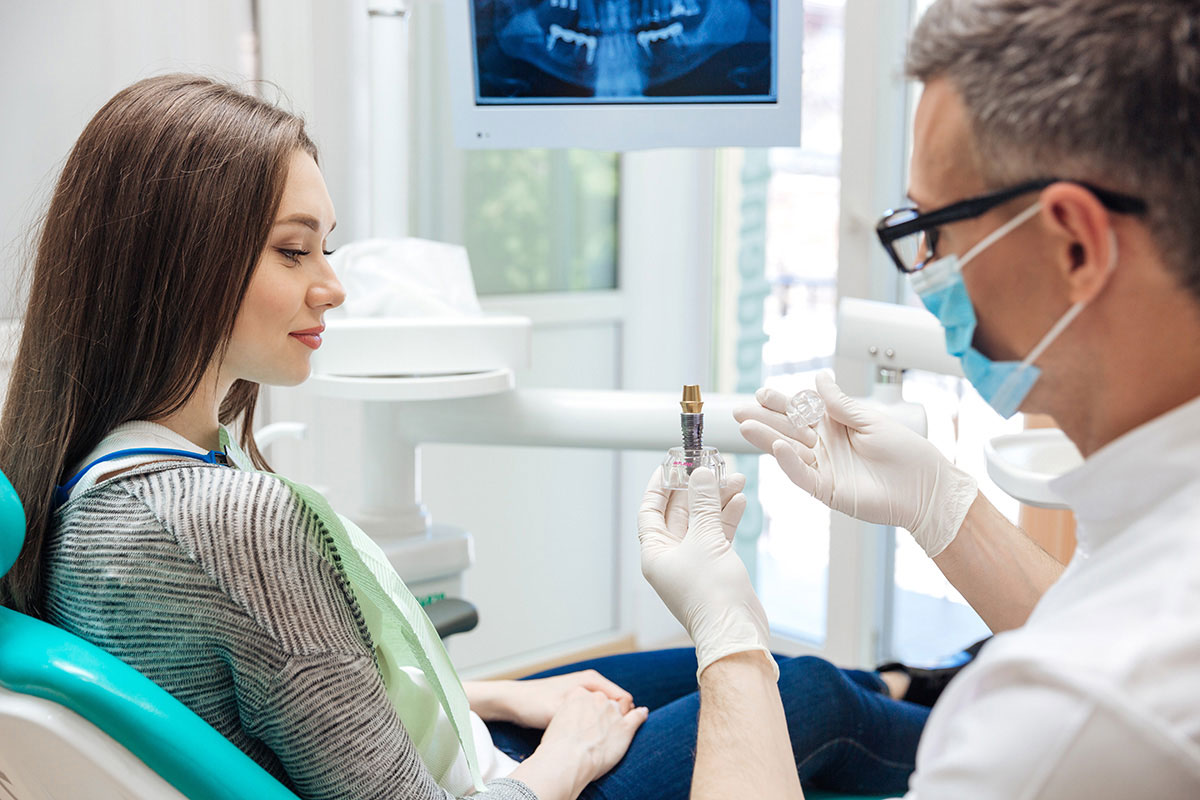
When a tooth cannot be predictably saved, dental implants, bridges, or other replacement options may be discussed.
The dentist can explain the prognosis of the tooth and help you compare the advantages and limitations of available treatments.
How to Help Your Dental Crowns Last Longer
Good daily habits can help maintain both the restoration and the natural tooth supporting it.
- Brush twice daily with a soft toothbrush and fluoride toothpaste.
- Clean between teeth and around crown margins every day.
- Attend regular dental examinations and professional cleanings.
- Avoid chewing ice, hard objects, or nonfood items.
- Wear a custom night guard if recommended for grinding.
- Report new sensitivity, discomfort, or looseness promptly.
- Follow treatment recommendations for gum disease or tooth decay.
These habits cannot guarantee that a crown will never need replacement. However, they can help reduce avoidable problems and support the health of the underlying tooth.
Frequently Asked Questions About Dental Crown Replacement
How often should dental crowns be replaced?
There is no fixed replacement schedule. Crowns should be replaced when clinical findings indicate that the restoration or underlying tooth requires treatment.
Can a dental crown be repaired instead of replaced?
Sometimes. Minor chips, bite concerns, or loosened cement may be manageable without a new crown. The dentist must evaluate the restoration and underlying tooth.
Can a cavity develop under a dental crown?
Yes. Although the crown material cannot decay, the natural tooth beneath and around the crown remains susceptible to cavities.
Should I replace an old crown that does not hurt?
Not necessarily. A painless crown may remain healthy and functional. Regular dental examinations can determine whether replacement is needed.
What should I do if my dental crown falls off?
Keep the crown in a safe container, avoid chewing on the affected tooth, and contact your dentist for evaluation. Do not use household adhesives to reattach it.
Keep Your Restored Teeth Comfortable and Protected
A dental crown can provide many years of protection, but changes in comfort, fit, or appearance deserve professional attention. Evaluating a concern early may help preserve the underlying tooth and identify whether a simple repair or a replacement restoration is appropriate.
Contact Advanced Restorative Solutions in Sheffield, OH at 440-934-5966 to Schedule a Consultation and have your existing dental crowns evaluated as part of a personalized restorative care plan.